
 What's on
 Things to Do
 Plan your Visit
 Media Rules and Filming
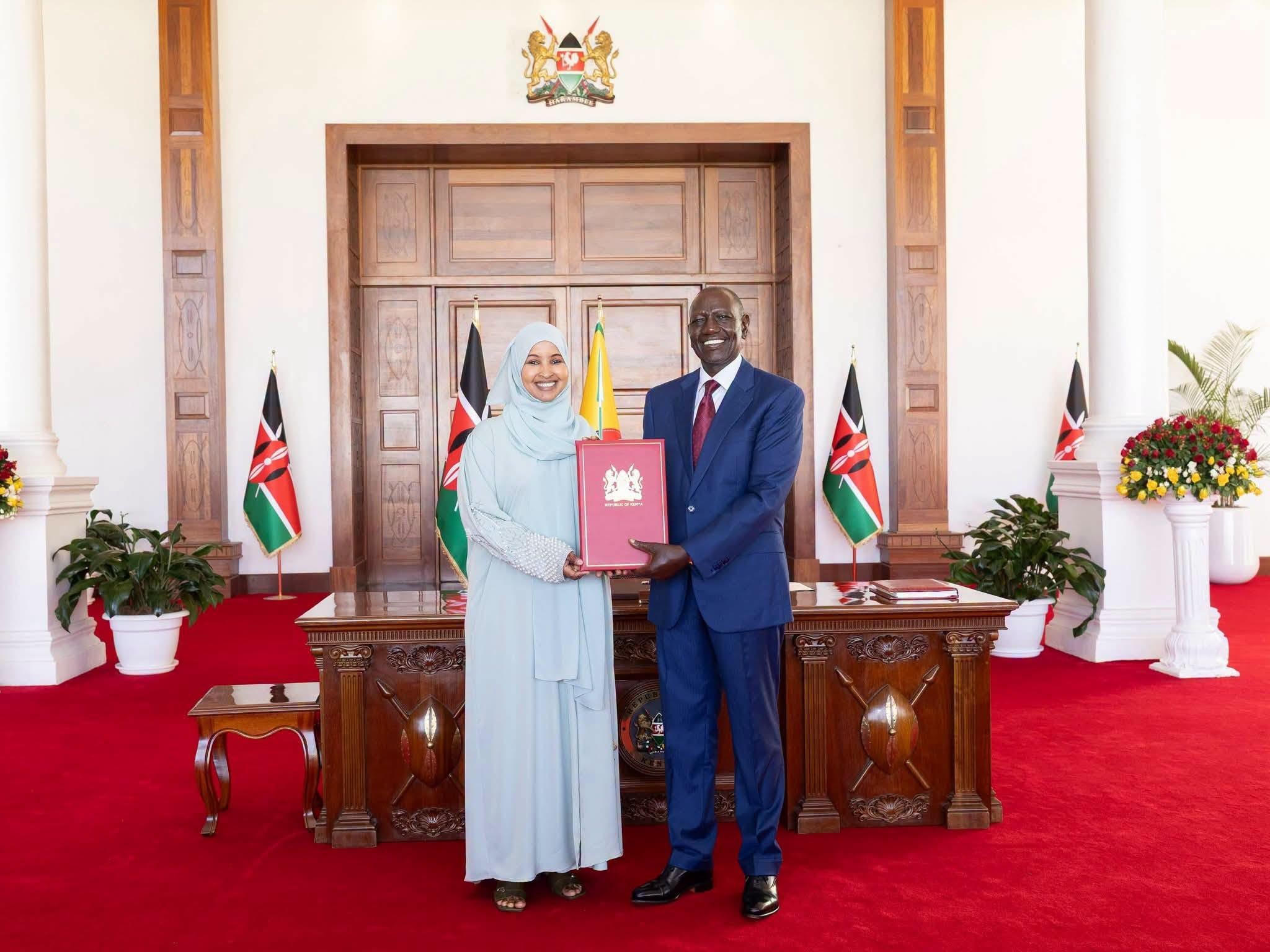
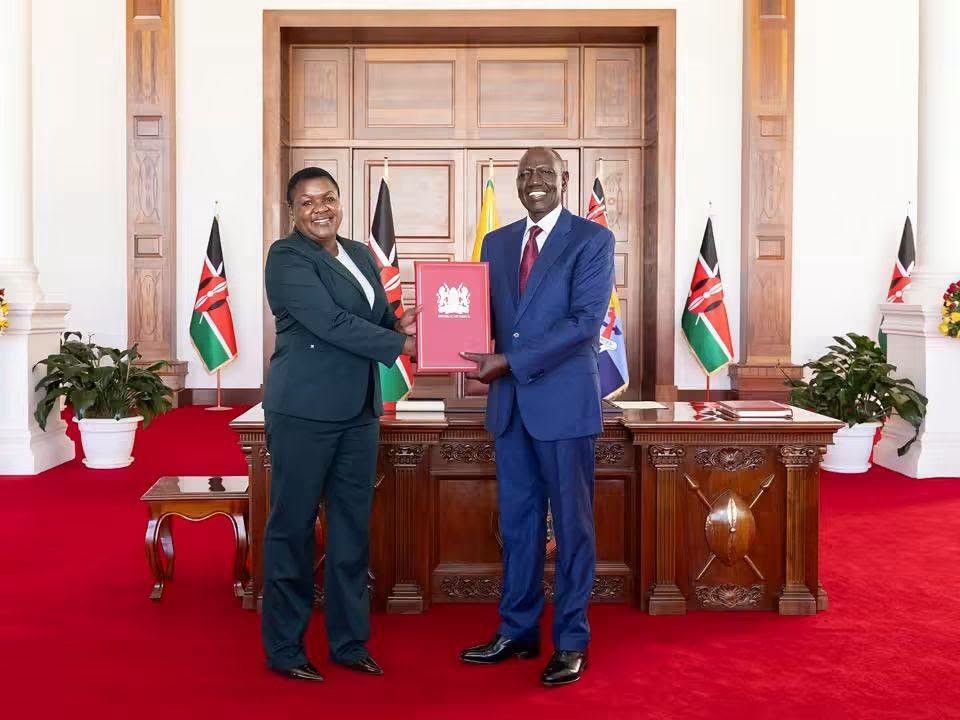
𝐏𝐑𝐄𝐒𝐈𝐃𝐄𝐍𝐓 𝐑𝐔𝐓𝐎 𝐀𝐒𝐒𝐄𝐍𝐓𝐒 𝐓𝐎 𝐓𝐖𝐎 𝐒𝐄𝐗𝐔𝐀𝐋 𝐎𝐅𝐅𝐄𝐍𝐂𝐄𝐒 𝐁𝐈𝐋𝐋𝐒 𝐓𝐎 𝐒𝐓𝐑𝐄𝐍𝐆𝐓𝐇𝐄𝐍 𝐏𝐑𝐎𝐓𝐄𝐂𝐓𝐈𝐎𝐍 𝐎𝐅 𝐕𝐈𝐂𝐓𝐈𝐌𝐒 𝐀𝐍𝐃 𝐀𝐂𝐂𝐄𝐒𝐒 𝐓𝐎 𝐉𝐔𝐒𝐓𝐈𝐂𝐄








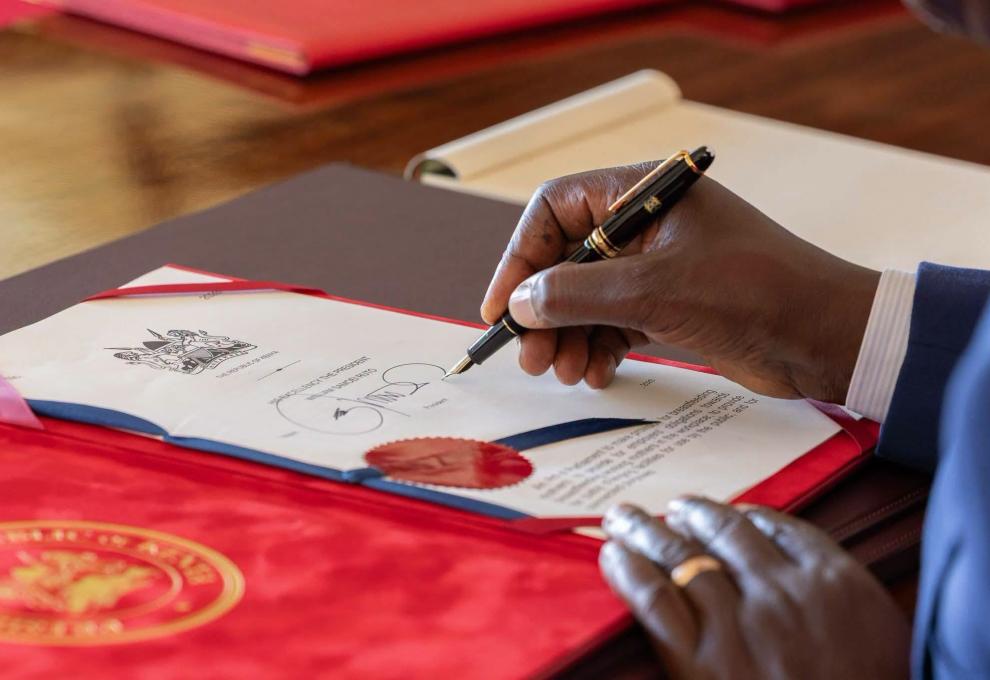
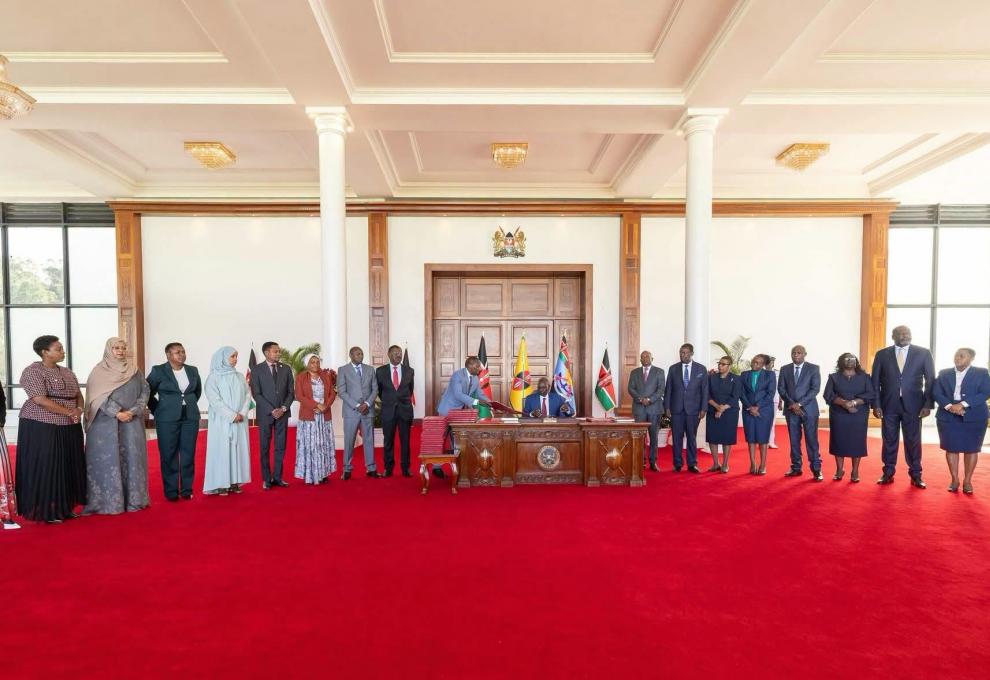
President William Ruto has assented to two Sexual Offences (Amendment) Bills passed by the National Assembly, introducing new measures aimed at strengthening the fight against sexual violence, protecting victims and addressing gaps in the administration of justice.
The two laws, sponsored by Kisii County Woman Representative Hon: Doris Donya Aburi and Garissa County Woman Representative Hon. Udgoon Siyad Kuno, seek to enhance public awareness of sexual offences, safeguard the right to education of survivors and ensure that cases of sexual violence are addressed through the formal court system rather than traditional dispute-resolution mechanisms.
The law, sponsored by Hon. Donya seeks to address limited public awareness of sexual offences and their far-reaching consequences, including psychological trauma, social stigma, infections and unwanted pregnancies.
It mandates the Cabinet Secretary responsible for matters relating to gender to promote public awareness through nationwide education and information campaigns.
The campaigns are intended to strengthen understanding of sexual offences, encourage victims and members of the public to report cases and promote individual and collective responsibility in preventing gender-based violence.
The legislation also introduces measures to protect the educational rights of survivors of sexual violence, including victims of teenage pregnancies.
Under the law, the Cabinet Secretary responsible for education is required to establish programmes to safeguard, protect and promote the right to education of victims of sexual offences.
The intervention recognises the barriers that survivors often face in accessing and continuing with education, including stigma, fear of discrimination and inadequate support services.
It further underscores the importance of specialised psychological support and counselling to help survivors cope with trauma and remain in the education system.
The measures seek to give practical effect to the constitutional guarantee of the right to education, including every child's entitlement to free and compulsory basic education.
The second law, sponsored by Hon. Udgoon Siyad, introduces measures to ensure that sexual offences are dealt with through the formal justice system and are not resolved through traditional arrangements that may undermine victims' rights.
The legislation responds to the continued use of informal dispute-resolution mechanisms, including maslaha, through which sexual offence cases are sometimes settled outside the courts, often involving compensation accepted by the victim's family.
Such arrangements can allow accused persons to evade prosecution, deny survivors access to justice and expose communities to the risk of repeat offences.
To address this, the law provides for the prosecution of sexual offences through the court system and bars courts from permitting the discontinuation of proceedings solely on the basis of an out-of-court settlement.
In giving effect to Article 157 of the Constitution, the legislation requires additional reasons to be considered where the withdrawal of criminal proceedings relating to sexual offences is sought.
It also creates an offence for any person who coerces or induces a victim to withdraw a sexual offence complaint, including through purported settlements.
The provision seeks to protect survivors from pressure, intimidation and manipulation by individuals or families seeking to have cases withdrawn outside the justice system.
The law gives effect to Article 159(3) of the Constitution, which prohibits the application of traditional dispute-resolution mechanisms in a manner that contravenes the Bill of Rights or is repugnant to justice and morality.
The legislation further introduces timelines intended to accelerate the determination of sexual offence cases and reduce delays in the administration of justice.
Under the new provisions, trials relating to offences under the Sexual Offences Act are required to proceed on a day-to-day basis and be concluded within six months from the date of taking plea.
Adjournments will only be permitted in exceptional and unforeseen circumstances, with the court required to record the reasons for granting an adjournment.
The provision seeks to give effect to Article 50(2)(e) of the Constitution, which guarantees every accused person the right to have a trial begin and conclude without unreasonable delay.