
 What's on
 Things to Do
 Plan your Visit
 Media Rules and Filming
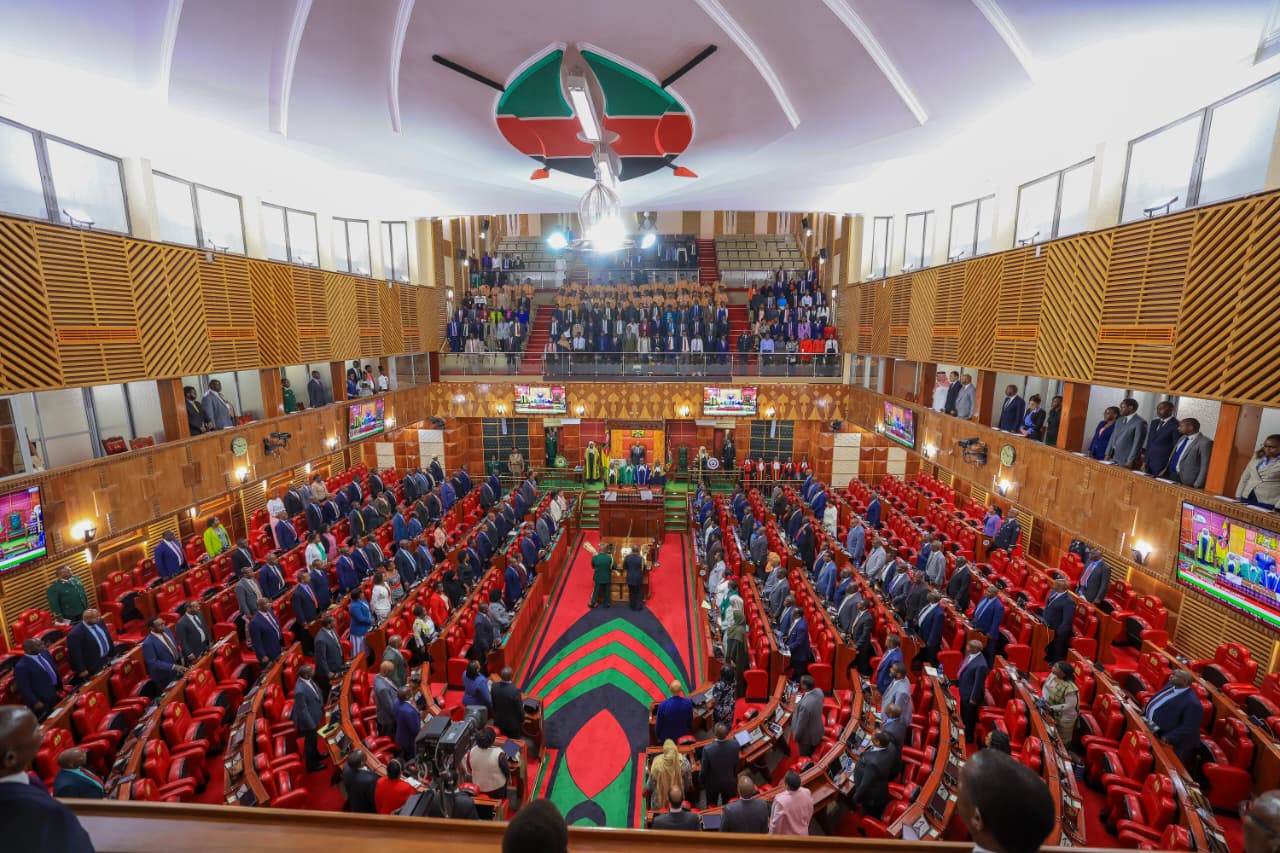
𝐍𝐀𝐓𝐈𝐎𝐍𝐀𝐋 𝐀𝐒𝐒𝐄𝐌𝐁𝐋𝐘 𝐏𝐀𝐒𝐒𝐄𝐒 𝐂𝐁𝐊 𝐀𝐌𝐄𝐍𝐃𝐌𝐄𝐍𝐓 𝐁𝐈𝐋𝐋 𝐓𝐎 𝐒𝐓𝐑𝐄𝐍𝐆𝐓𝐇𝐄𝐍 𝐅𝐈𝐍𝐀𝐍𝐂𝐈𝐀𝐋 𝐒𝐓𝐀𝐁𝐈𝐋𝐈𝐓𝐘 𝐀𝐍𝐃 𝐄𝐍𝐇𝐀𝐍𝐂𝐄 𝐀𝐂𝐂𝐎𝐔𝐍𝐓𝐀𝐁𝐈𝐋𝐈𝐓𝐘







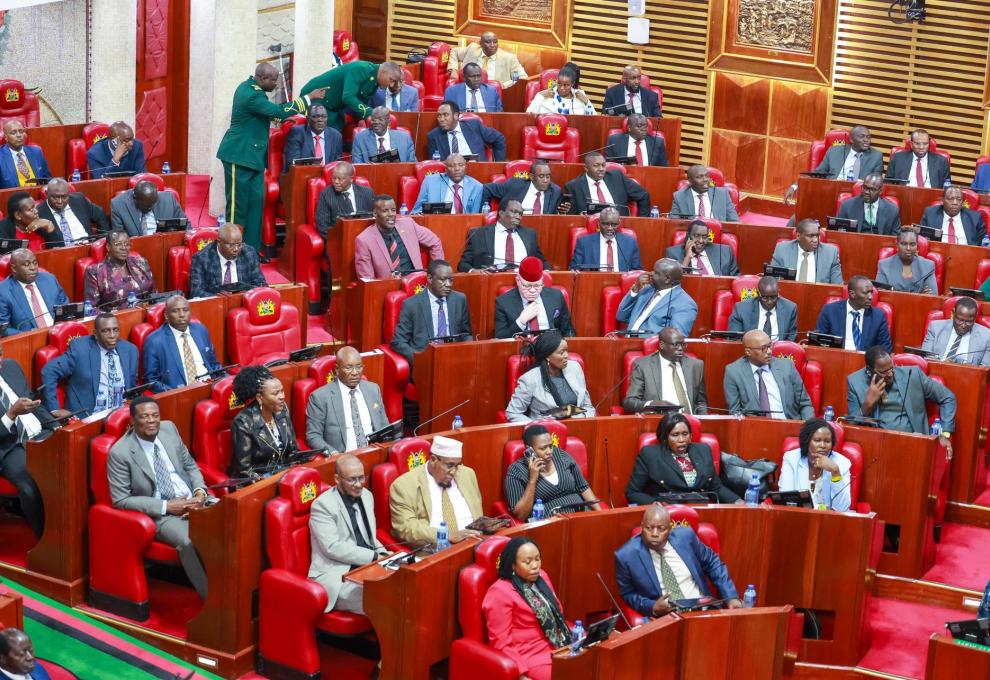
The National Assembly has passed the Central Bank of Kenya (Amendment) Bill, 2026, with amendments, marking a significant step towards strengthening financial sector stability, enhancing parliamentary oversight, and modernizing the operations of the Central Bank of Kenya (CBK).
The Bill introduces key reforms aimed at aligning Kenya's central banking framework with international best practices while safeguarding the country's financial system against emerging economic and market risks.
A major highlight of the Bill is the establishment of a clearer legal framework for Emergency Liquidity Assistance (ELA), which allows the CBK to provide temporary support to distressed financial institutions during periods of financial stress. The new provisions distinguish emergency interventions from routine monetary policy operations, helping to improve transparency and strengthen confidence in the banking sector.
To protect public resources and enhance market discipline, the House approved amendments limiting emergency liquidity support to a period not exceeding five years. The legislation also introduces clearer criteria for assessing institutions eligible for such support, while preserving the CBK's flexibility to respond swiftly to systemic financial risks.
The Bill further reinforces the Central Bank's role in safeguarding financial sector stability by expressly recognizing its responsibility to foster the stability, resilience, liquidity, solvency, integrity and proper functioning of Kenya's market-based financial system.
In a move expected to strengthen national reserves and support the local mining value chain, the House approved provisions enabling the CBK to deal in gold and other precious metals. The amendments establish a legal foundation for the Domestic Gold Purchase Programme, allowing the Bank to diversify reserve assets while relying on licensed private refiners rather than engaging directly in commercial refining activities.
The legislation also enhances accountability in the governance of the Central Bank by providing that the appointment of Deputy Governors shall be subject to approval by the National Assembly. The provision aligns the appointment process for Deputy Governors with that of the Governor and reinforces parliamentary oversight over key public institutions.
Additionally, the Bill provides a statutory basis for the CBK to undertake training and capacity-building programmes for its staff, public institutions and foreign jurisdictions. The move is expected to strengthen expertise in emerging areas such as financial technology, cybersecurity, digital currencies and anti-money laundering frameworks.
The House also approved amendments harmonizing the Central Bank of Kenya Act with existing financial sector laws by replacing outdated references to the former Deposit Protection Fund Board with the Kenya Deposit Insurance Corporation.