 What's on
 Things to Do
 Plan your Visit
 Media Rules and Filming
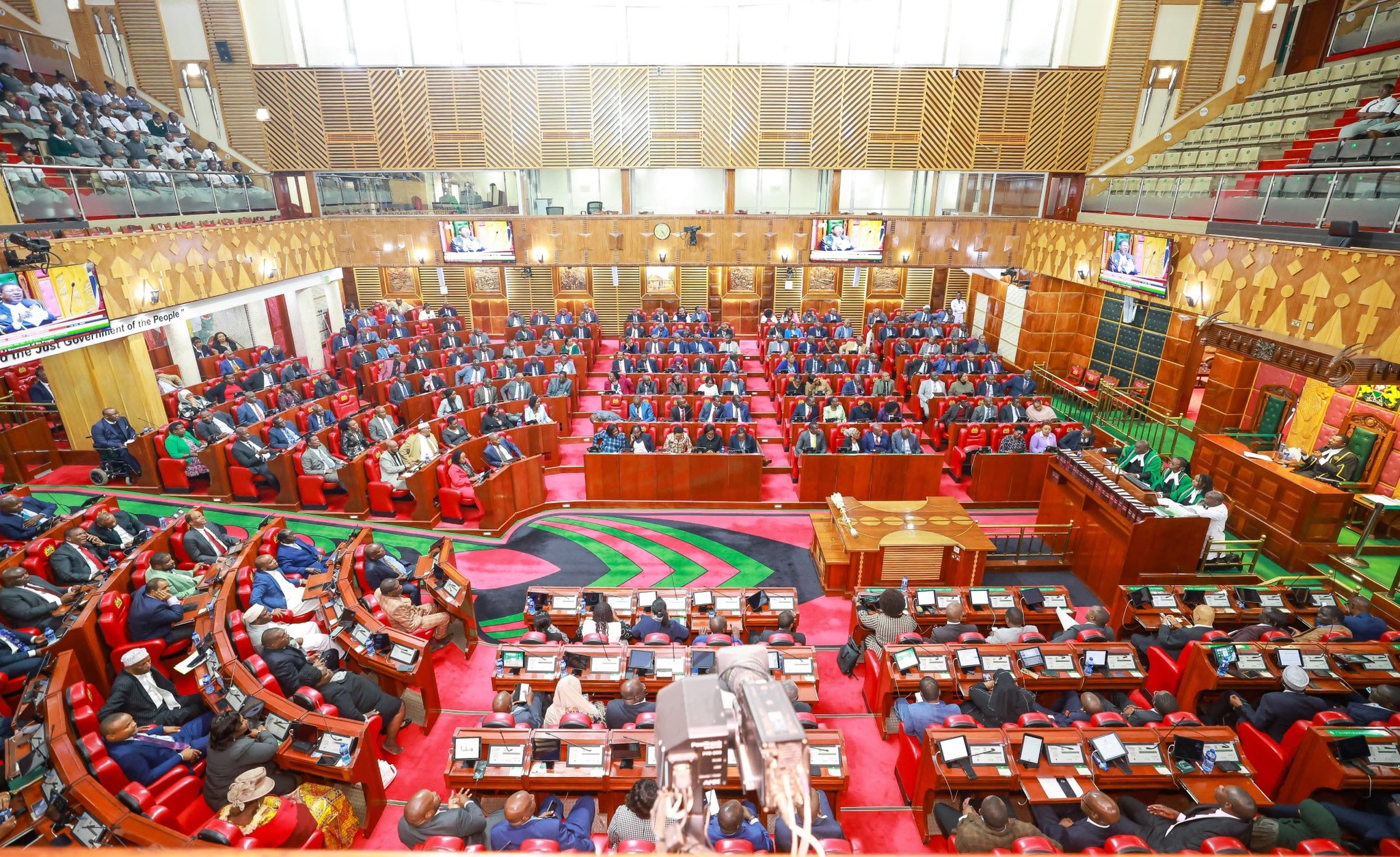
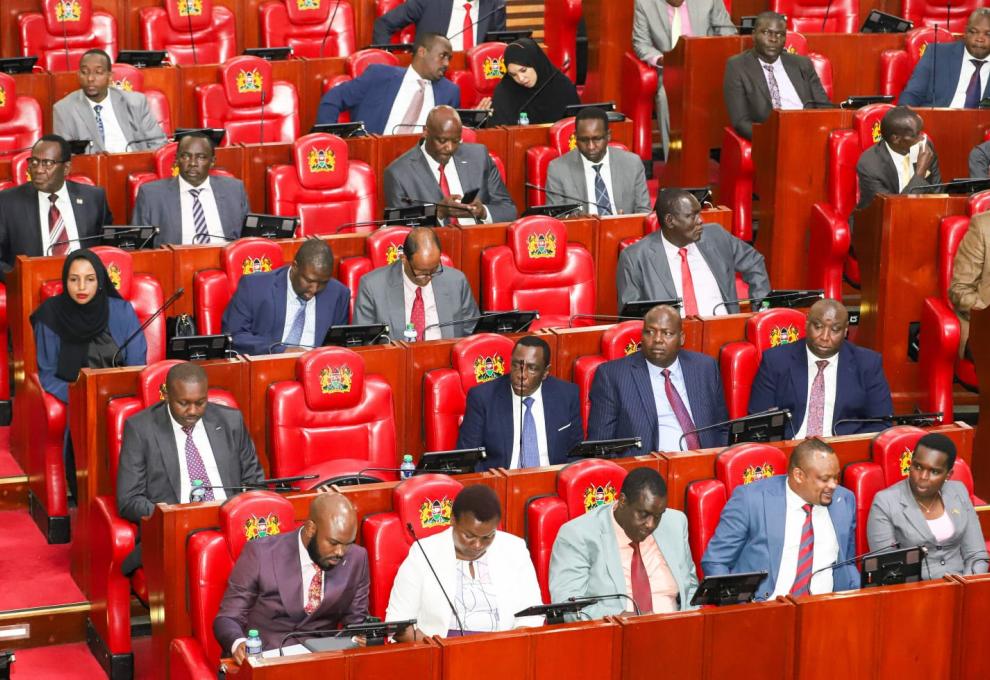
𝐍𝐀𝐓𝐈𝐎𝐍𝐀𝐋 𝐀𝐒𝐒𝐄𝐌𝐁𝐋𝐘 𝐀𝐏𝐏𝐑𝐎𝐕𝐄𝐒 𝟐𝟎𝟐𝟔/𝟐𝟕 𝐁𝐔𝐃𝐆𝐄𝐓 𝐀𝐇𝐄𝐀𝐃 𝐎𝐅 𝐂𝐒 𝐌𝐁𝐀𝐃𝐈’𝐒 𝐉𝐔𝐍𝐄 𝟏𝟏 𝐒𝐓𝐀𝐓𝐄𝐌𝐄𝐍𝐓







National Treasury Cabinet Secretary, Hon. John Mbadi is expected to present the 2026/27
Budget highlights in Parliament on Thursday, June 11, following the National Assembly's
approval of the Estimates of Revenue and Expenditure that will guide government spending in
the new financial year.
Education remains the biggest beneficiary, receiving Kshs 781.4 billion to support basic, tertiary
and university education. The allocation includes Kshs 4.9 billion for the employment of 20,000
intern teachers on permanent and pensionable terms and Kshs 56.7 billion for the Higher
Education Loans Board (HELB) to support students in universities and colleges.
The health sector has been allocated Kshs 175.5 billion to strengthen Universal Health Coverage
(UHC), improve primary healthcare and expand specialized medical services. Among the key
allocations are Kshs 19.1 billion for the Primary Healthcare Fund, Kshs 4 billion for the
Emergency, Chronic and Critical Illness Fund, and Kshs 18.5 billion for programmes combating
HIV/AIDS, malaria and tuberculosis.
Housing and urban development will receive Kshs 138.2 billion, including Kshs 50 billion for
the Affordable Housing Programme aimed at increasing home ownership opportunities and
creating jobs for youth specifically in the construction sector.
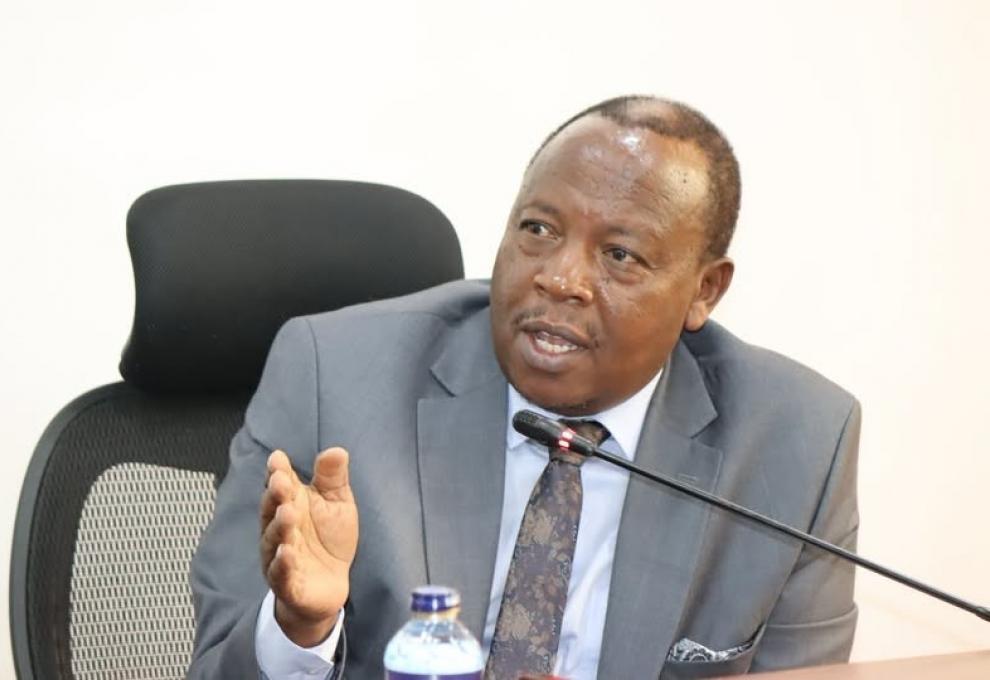
Presenting the Budget and Appropriations Committee report, Chairperson Hon. Samuel Atandi
said the spending plan was informed by public participation and seeks to improve service
delivery while safeguarding fiscal stability.
The House also approved Kshs 25 billion for cash transfers to older persons, Kshs 8.9 billion for
orphans and vulnerable children, and Kshs 12.5 billion for the National Youth Service to support
youth empowerment and skills development.
In the energy sector, Kshs 16.3 billion was allocated for rural electrification and Kshs 7.5 billion
for expansion of the national grid to improve access to reliable electricity.
To support fiscal consolidation, Parliament backed measures to enhance revenue collection
through improved tax administration, digitisation of government services and full
implementation of the Electronic Government Procurement (e-GP) system, which is expected to
reduce wastage and improve accountability in public spending.
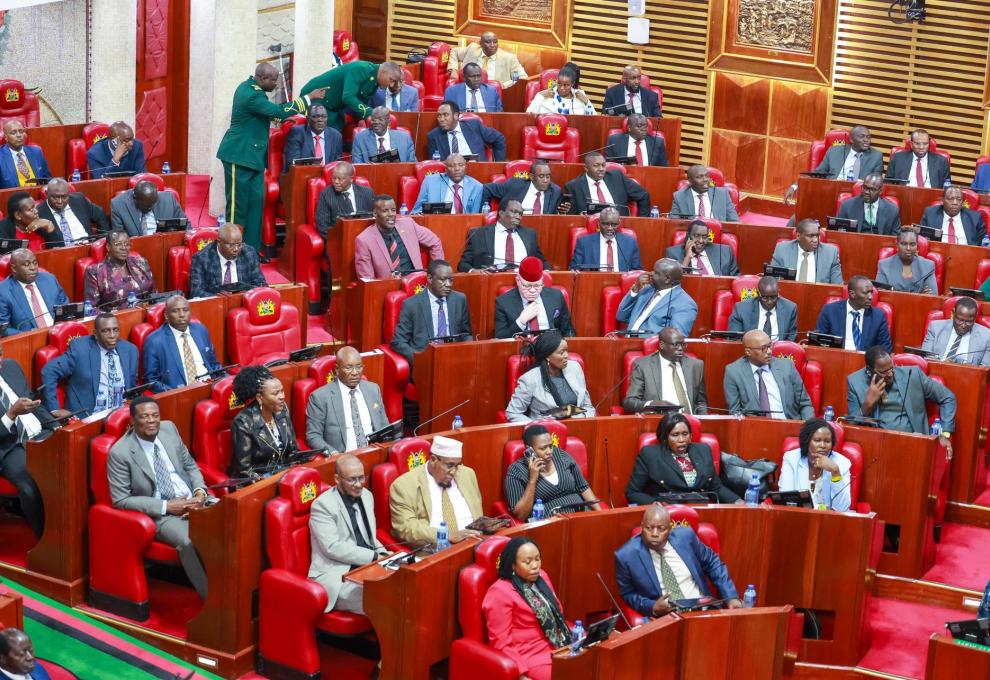
Lawmakers also called for stricter expenditure controls and timely release of Exchequer funds to
reduce pending bills and ensure efficient implementation of government programmes.
The approved estimates will now form the basis of the Appropriation Bill, paving the way for
implementation of the government's development agenda during the 2026/27 financial year.