
 What's on
 Things to Do
 Plan your Visit
 Media Rules and Filming
𝐒𝐄𝐍𝐀𝐓𝐄 𝐂𝐎𝐌𝐌𝐈𝐓𝐓𝐄𝐄 𝐏𝐑𝐎𝐁𝐄𝐒 𝐌𝐄𝐑𝐔 𝐂𝐎𝐔𝐍𝐓𝐘 𝐄𝐗𝐄𝐂𝐔𝐓𝐈𝐕𝐄 𝐎𝐕𝐄𝐑 𝐌𝐔𝐍𝐈𝐂𝐈𝐏𝐀𝐋 𝐅𝐈𝐍𝐀𝐍𝐂𝐈𝐀𝐋 𝐀𝐍𝐃 𝐆𝐎𝐕𝐄𝐑𝐍𝐀𝐍𝐂𝐄 𝐃𝐄𝐅𝐈𝐂𝐈𝐓𝐒


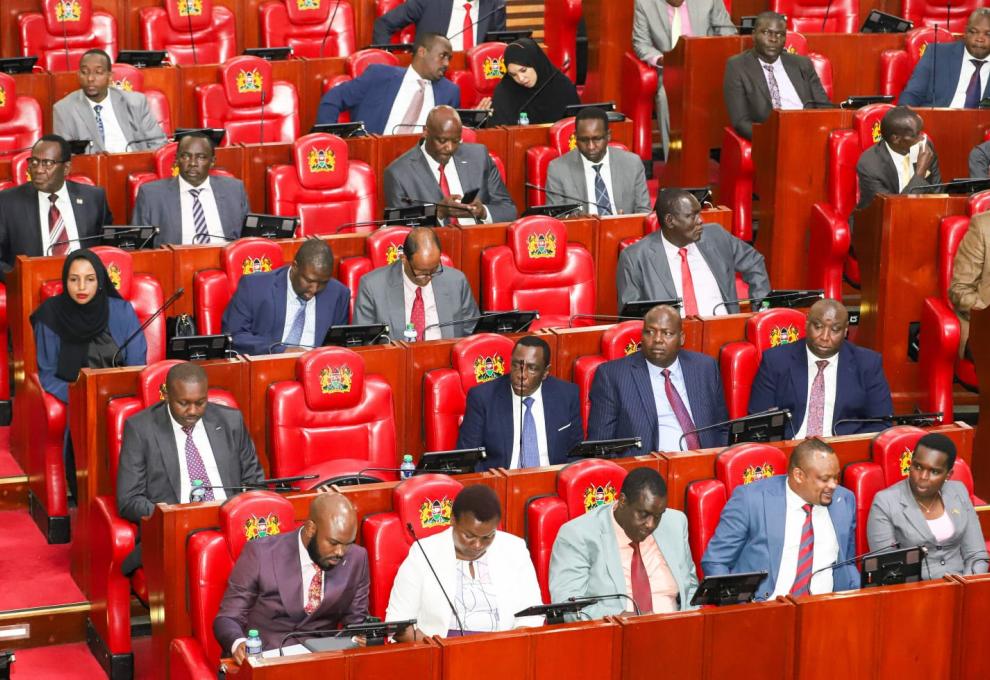
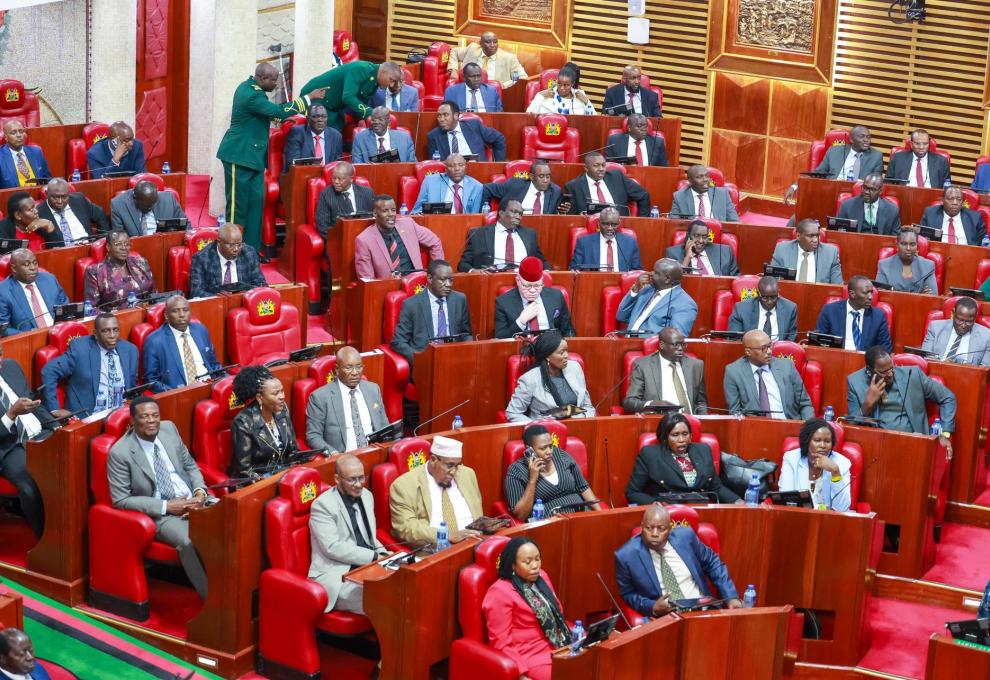
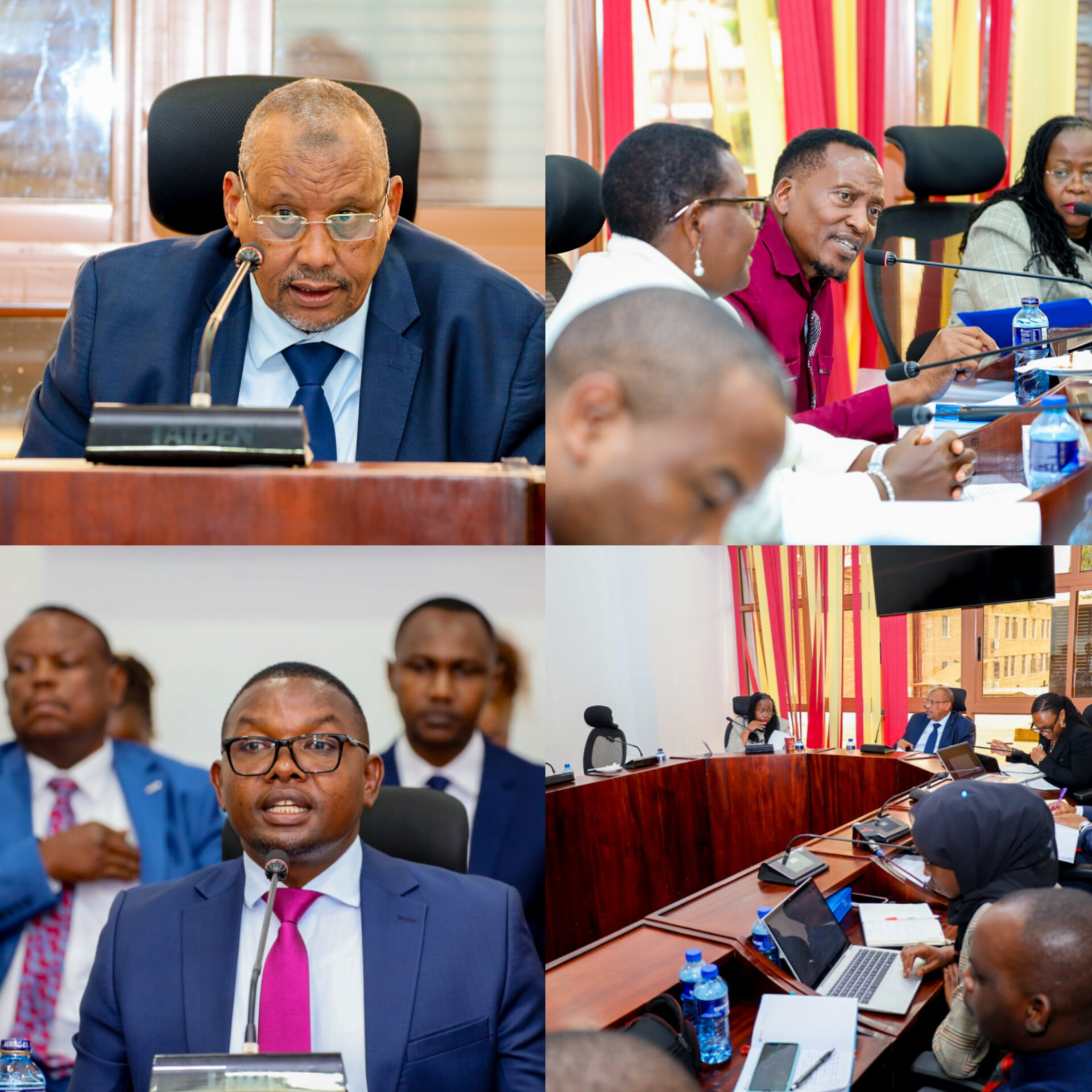
The Senate Standing Committee on Devolution and Intergovernmental Relations, chaired by Wajir Senator Mohamed Abbas, has put the Meru County Executive on the hot seat over major administrative gaps, budget opacity, and delayed operationalization of its municipal structures.
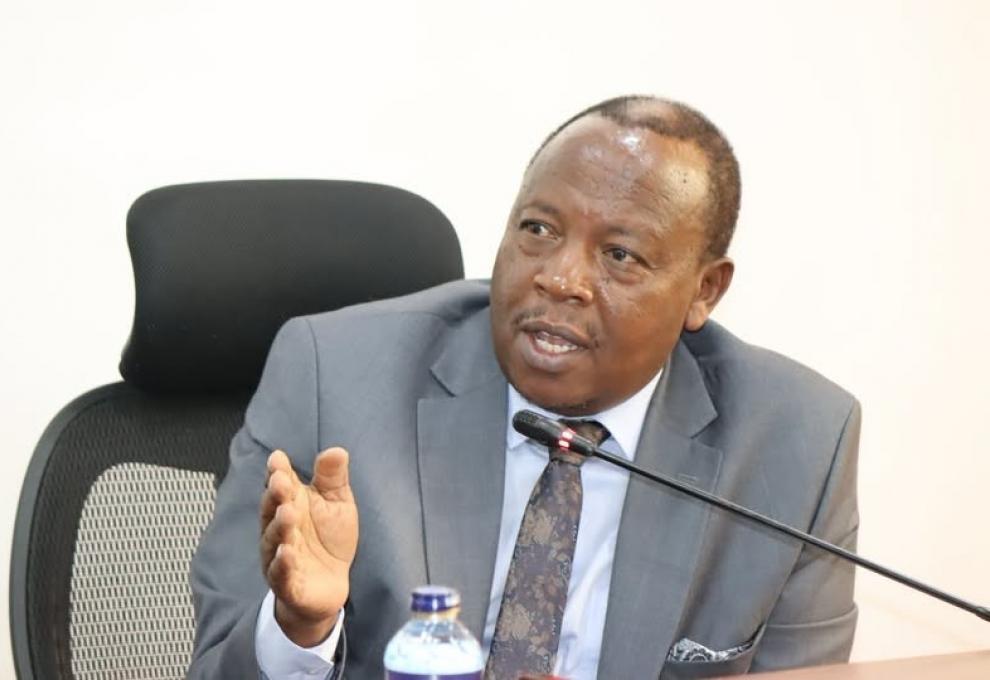
Appearing before the committee at Parliament Buildings earlier today, Meru Governor Isaac Mutuma faced questions from Senators regarding compliance with the Public Finance Management Act and the Urban Areas and Cities Act.
The session opened with Senators probing the county’s historical financial setup, prompting Governor Isaac Mutuma to explain that during the financial years 2020-2021 and 2023-2024, municipal budgets were consolidated and appropriated under the Department of Land, Physical Planning, Urban Development, Housing, and Public Works.
Presenting the county’s plan for urban growth, Governor Mutuma highlighted the staffing distribution, noting that there is a total of 195 employees working for the municipalities, with 107 stationed in the largest municipality.
Members of the committee pressed the county executive on statutory non-compliance, particularly regarding missing municipal charters prior to recent amendments, ambiguous appointment letters for board members, and delayed delegation of revenue collection.
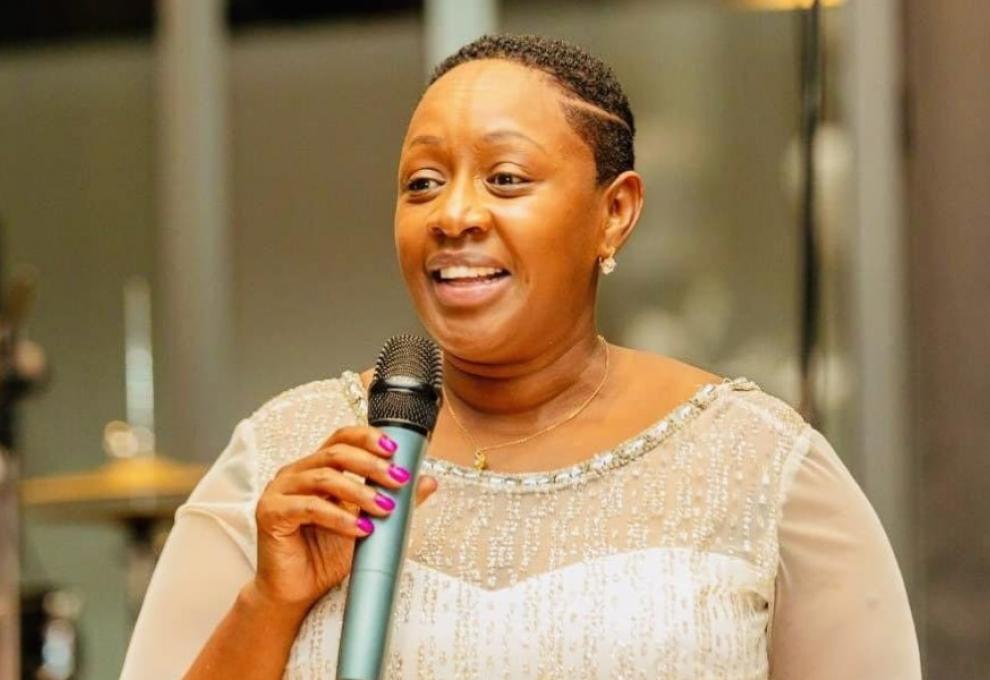
Senator Catherine Mumma, the Vice Chairperson of the Committee, questioned the true operational history of the urban centers, poking holes in whether Meru County functionalized them from 2018 to date or when the governor took office.
Examining legal inconsistencies in the municipal charters presented, Senator Mumma further observed that the County Public Investments Committee has actually asked that Meru operationalise municipalities, noting that the law expects the county to operationalise these entities.
Responding to queries regarding whether municipal structures were genuinely active since 2018, Governor Mutuma defended the gradual setup process.
"Operationalization is a progressive development that takes place. A child will be born today and progressively develop towards attaining its full potential, and that is how it is, even with the municipalities," Governor Mutuma explained.
Senators also raised concerns over administrative integrity and political willingness to devolve authority. Kisii Senator Richard Onyonka sought clarity on human resource appointments and the political dynamics of urban management, wondering whether county bosses are comfortable setting up municipalities.
"Governor Mutuma, do you governors feel that municipalities are usurping their powers? Are you comfortable running municipalities or do you think municipalities are a waste of resources and they are not going to function effectively anyway?," he posed.
In response, Governor Mutuma attributed past administrative discrepancies to countywide governance challenges while reassuring the committee of his administration's commitment to devolution.
"We are fully aware what a municipality means. It means devolving services further to Mwananchi, taking power of management and development and services closer to Mwananchi," he submitted.
Senator Peris Tobiko and Committee Chairperson Senator Mohamed Abbas highlighted the gaps surrounding municipal revenue collection and the execution of gazetted functions, noting that municipalities cannot function effectively without clear revenue-sharing mechanisms and operational independence.
"County executives must treat municipal boards as statutory implementation tools rather than administrative competitors," Senator Abbas said.
Concluding the hearing, the Committee urged Meru County to fully align its municipal charters, board appointments, and revenue collection operations with national legal frameworks.