 What's on
 Things to Do
 Plan your Visit
 Media Rules and Filming
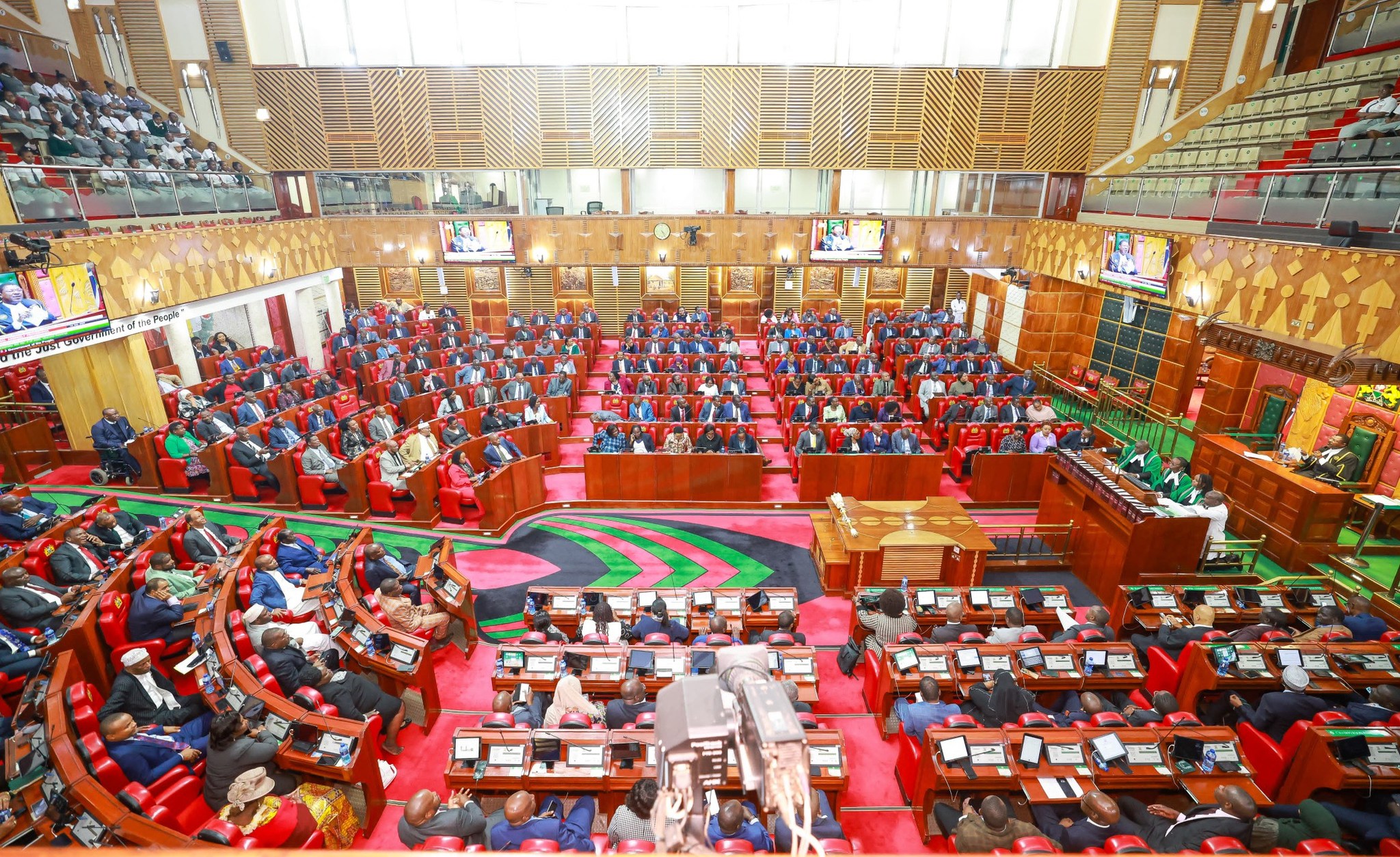
𝐍𝐀𝐓𝐈𝐎𝐍𝐀𝐋 𝐀𝐒𝐒𝐄𝐌𝐁𝐋𝐘 𝐀𝐏𝐏𝐑𝐎𝐕𝐄𝐒 𝟐𝟎𝟐𝟔/𝟐𝟕 𝐁𝐔𝐃𝐆𝐄𝐓, 𝐏𝐑𝐈𝐎𝐑𝐈𝐓𝐈𝐒𝐈𝐍𝐆 𝐇𝐄𝐀𝐋𝐓𝐇, 𝐄𝐃𝐔𝐂𝐀𝐓𝐈𝐎𝐍 𝐒𝐄𝐂𝐓𝐎𝐑𝐒






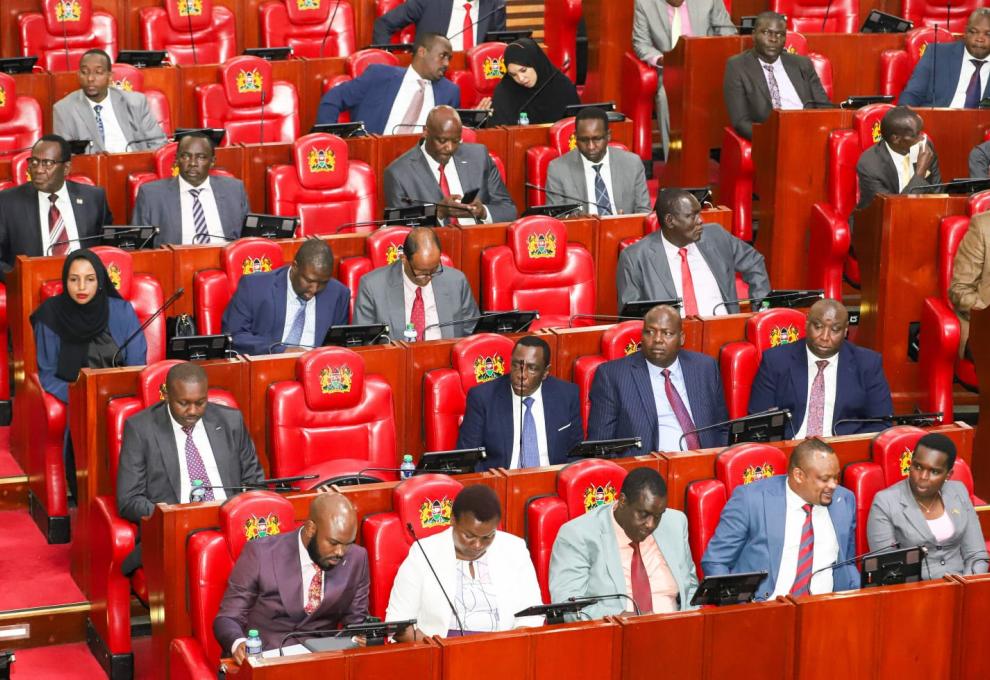
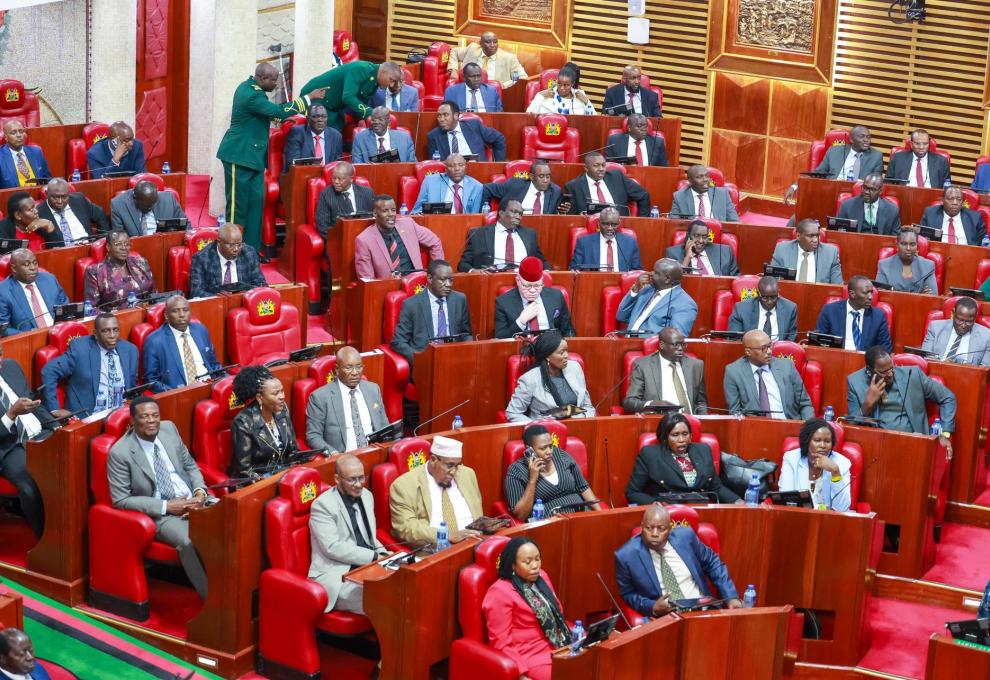
The National Assembly has approved the Estimates of Revenue and Expenditure and the Medium Term for the Financial Year 2026/2027, unveiling a people-centred budget aimed at strengthening social protection, expanding essential services, and advancing fiscal discipline.
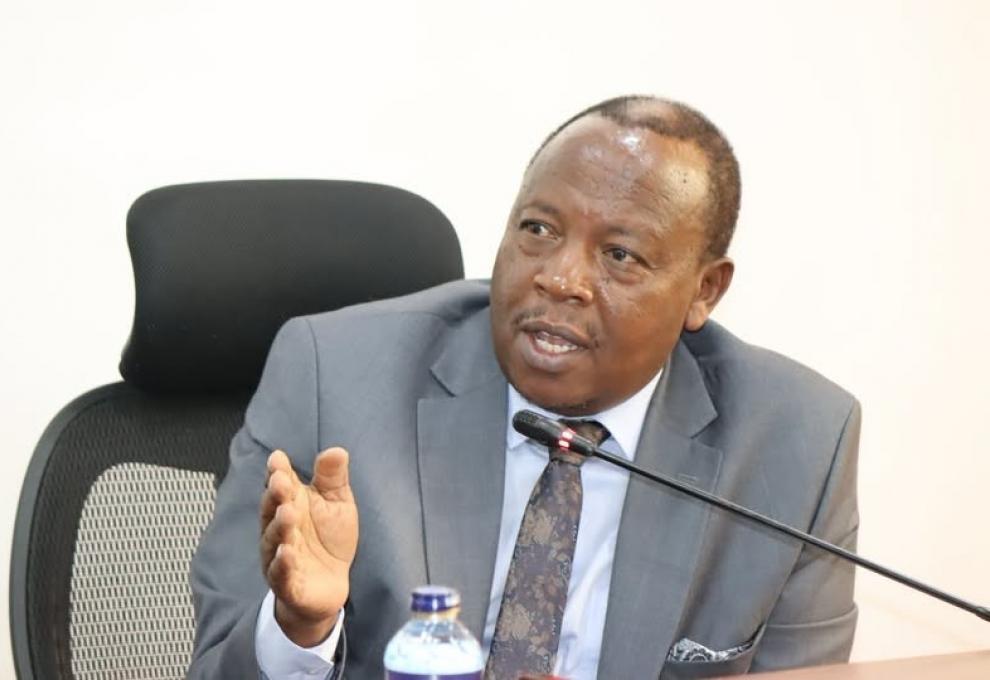
Moving the motion, the Chairperson of the Budget and Appropriations Committee, Samuel Atandi, outlined a framework anchored on public participation and targeted investments in health, education, housing, agriculture, and environmental resilience.
“This budget is structured to strengthen Universal Health Coverage, improve primary healthcare services, and expand specialized healthcare infrastructure,” Hon. Atandi said, highlighting a health sector allocation of Kshs 175.5 billion.
To advance Universal Health Coverage (UHC), lawmakers approved Kshs 19.1 billion for the Primary Healthcare Fund to strengthen community health networks and local dispensaries. The Emergency, Chronic, and Critical Illness Fund will receive Kshs 4 billion to ensure that specialized treatment for severe illnesses does not push Kenyan families into financial distress.
The Global Fund Programme has also been allocated Kshs 18.5 billion to sustain interventions against HIV/AIDS, malaria, and tuberculosis.
Education remained the largest beneficiary, with Kshs 781.4 billion directed toward basic, tertiary, and university education programmes.
Of this, Kshs 4.9 billion has been set aside to convert 20,000 intern teachers into permanent and pensionable terms. Higher education has also received a significant boost, with Kshs 56.7 billion allocated to the Higher Education Loans Board (HELB) to support access to university education for needy students.
Seconding the motion, Hon. Robert Pukose praised the budget’s grassroots focus, particularly the introduction of stipends for village elders.
“For the first time, the Committee has approved Kshs 3.5 billion for stipends for village elders. We are hoping that the NGAO will now be able to pay Kshs 3,000 monthly to these important community leaders,” Hon. Pukose said.
The housing sector also received a major boost, with Kshs 138.2 billion allocated, including Kshs 50 billion for the Affordable Housing Programme to accelerate housing delivery and create employment opportunities for youth across the construction value chain.
“This allocation will support the Affordable Housing Programme as well as urban infrastructure and informal settlement upgrading,” Hon. Atandi noted.
Energy development was similarly strengthened, with Kshs 16.3 billion allocated for rural electrification and Kshs 7.5 billion for national grid expansion to improve access to reliable power across the country.
The digital economy also received targeted funding for ICT hubs, completion of the Konza Data Centre, and cybersecurity systems to support ongoing government digitisation efforts.
To protect vulnerable groups, Members of Parliament approved Kshs 25 billion for elderly cash transfers, Kshs 8.9 billion for orphans and vulnerable children, and additional allocations for disability support and the Hunger Safety Net Programme.
Youth-focused initiatives were also strengthened, including Kshs 12.5 billion for the National Youth Service (NYS) and additional funding for employment and enterprise development programmes.
“These interventions are intended to enhance youth employability, entrepreneurship, skills development, and access to financing,” the Budget Committee noted in its report.
On fiscal sustainability and debt, Members raised concern over the widening deficit and rising debt servicing obligations.
Hon. Makali Mulu observed that debt pressures remain a key structural challenge.
“Public debt this year is projected to reach Kshs 1.1 trillion,” he said, calling for stronger fiscal consolidation measures.
Hon. Mulu also pointed to pending bills, attributing delays largely to Exchequer release challenges that continue to affect timely service delivery across ministries and agencies.
To improve efficiency and accountability, the National Assembly endorsed the mandatory rollout of the Electronic Government Procurement (e-GP) system, which has already reduced administrative inefficiencies and delivered estimated savings of Kshs 36.9 billion.
The House further called for improved coordination in Exchequer releases to reduce pending bills and ensure predictable implementation of government programmes.
Legislators also backed strict adherence to statutory requirements, ensuring that development and capital expenditures account for over 30 percent of the total budget to safeguard infrastructure-led growth.
Following approval by the House, the Estimates will now form the basis of the Appropriation Bill, which will authorize government expenditure for the new financial year.