 What's on
 Things to Do
 Plan your Visit
 Media Rules and Filming
𝐒𝐄𝐍𝐀𝐓𝐄 𝐖𝐑𝐀𝐏𝐒 𝐔𝐏 𝐊𝐈𝐋𝐈𝐅𝐈 𝐒𝐈𝐓𝐓𝐈𝐍𝐆 𝐀𝐅𝐓𝐄𝐑 𝐖𝐄𝐄𝐊 𝐎𝐅 𝐒𝐂𝐑𝐔𝐓𝐈𝐍𝐘 𝐀𝐍𝐃 𝐏𝐔𝐁𝐋𝐈𝐂 𝐄𝐍𝐆𝐀𝐆𝐄𝐌𝐄𝐍𝐓


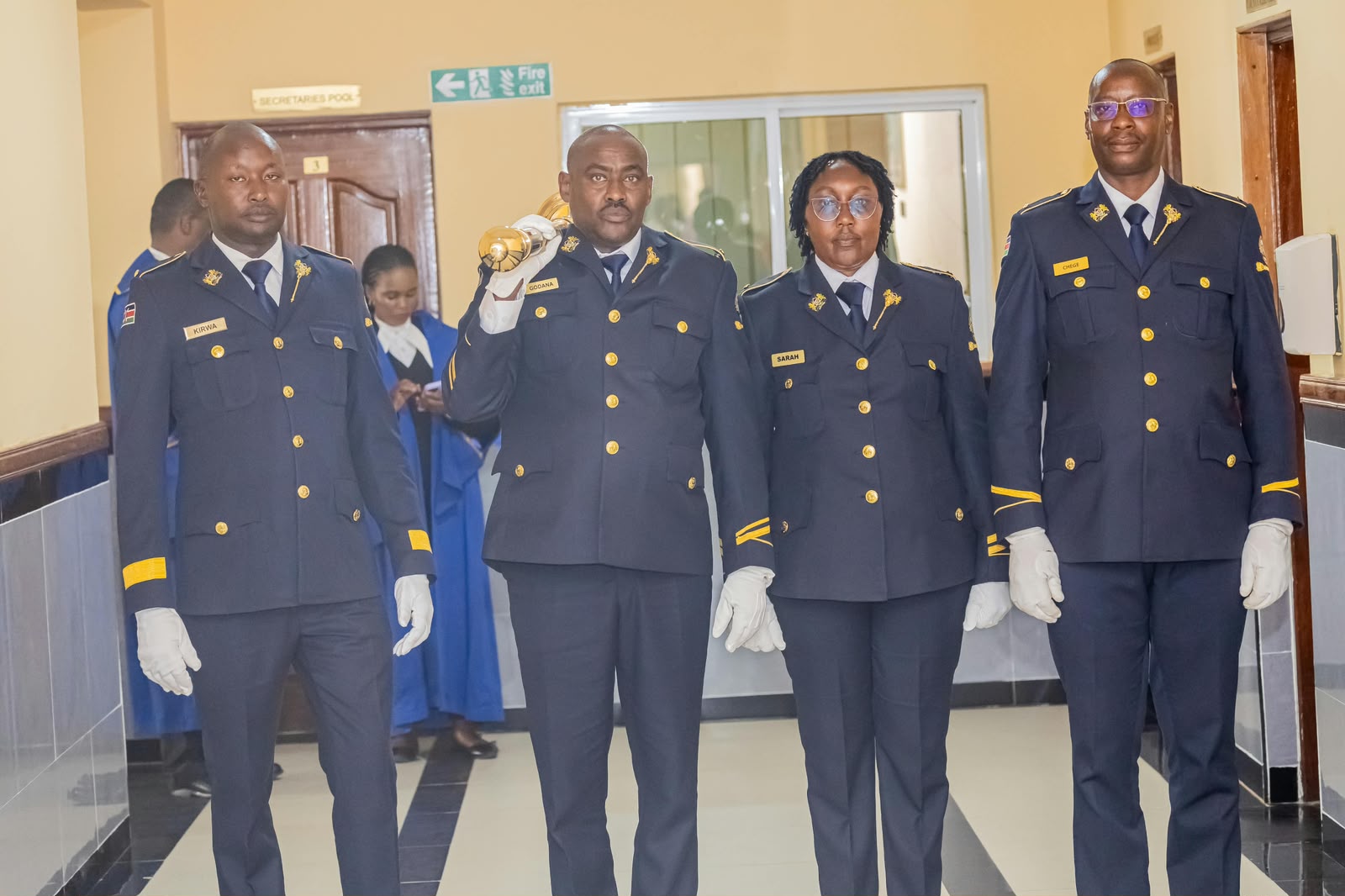
The Senate has wrapped up its historic five-day sitting in Kilifi County, bringing to a close a week in which parliamentary debate moved beyond Nairobi and into the heart of the Coast.
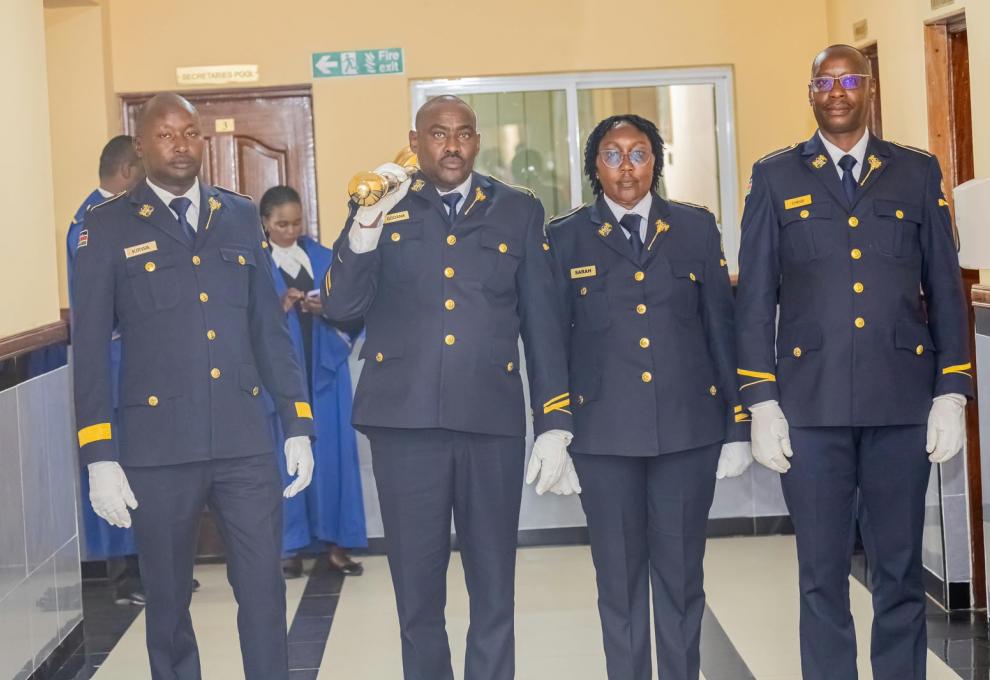
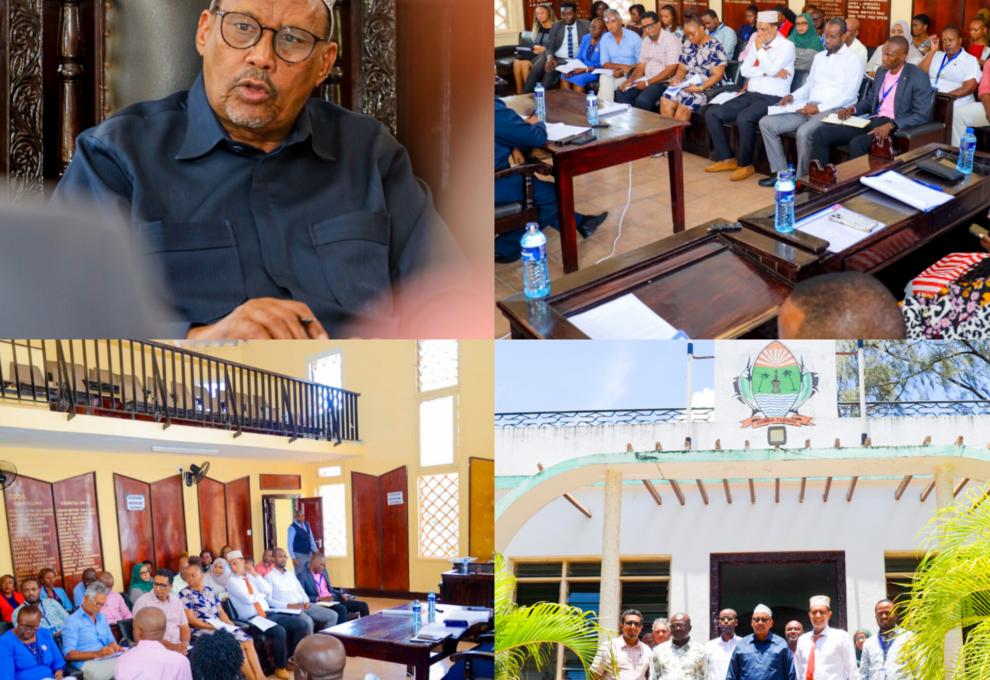
Held at the Kilifi County Assembly under the Senate Mashinani programme, the sitting combined plenary proceedings with committee hearings, public engagements and visits to projects and institutions across the county.
Kilifi became the fifth county to host Senate sittings outside Nairobi, following Uasin Gishu in 2018, Kitui in 2019, Turkana in 2023 and Busia in 2025.
The opening of the sitting carried a strong cultural touch, with senators, including Kilifi Senator and Senate Minority Leader Stewart Madzayo, Mombasa Senator Faki Mohamed and Nairobi Senator Edwin Sifuna, turning up in traditional Mijikenda attire.
But beyond the symbolism, much of the week's business centred on practical problems affecting residents and the county administration.
Senate Speaker Amason Kingi, who previously served as Kilifi's first governor, urged residents to use the opportunity to bring their grievances and petitions directly to Parliament.
“I call upon residents of Kilifi County to turn out at the County Assembly and present any petitions to the Senate. We are here to address issues raised by citizens, as required by the Constitution,” Speaker Kingi said.
He also challenged county governments to be more open about the difficulties they encounter in delivering services.
“I appeal to counties, please do not hide your challenges. In the Senate, you have a true friend,” he said.
That invitation was followed by a series of committee engagements that placed several aspects of county governance under scrutiny.
The Senate Committee on Delegated Legislation found that 36 county laws and legislative instruments were yet to be backed by the regulations required for their effective implementation.
The committee subsequently gave the county government one month to submit a comprehensive report on the outstanding regulations.
The committee's chairperson, Tharaka Nithi Mwenda Gataya questioned why recommendations arising from an earlier engagement had not been implemented, demanding explanations from the county executive.
Similarly, the Lands and Environment Committee questioned county officials over sand harvesting and mining activities, with its chairperson who is also Mombasa Senator Mohamed Faki raising concerns about the information provided to senators on companies operating in the sector.
The committee sought greater clarity on the number of mining firms operating in Kilifi, their activities and the county's oversight of the industry.
Senators visited health facilities in Malindi and Marafa and inspected the proposed outpatient block at Kilifi County Referral Hospital. They also toured the proposed Kilifi County headquarters and projects funded through the Equalisation Fund in Ganze.
Other committees examined issues affecting education, infrastructure, labour, digital government services and environmental compliance.
The Education Committee, for instance, focused on the implementation of Early Childhood Development Education, while engagements on the blue economy brought fisheries and the livelihoods of coastal communities into the wider Senate discussion.
The fisheries question was particularly significant for Kilifi with the Fisheries Management and Development Bill, 2024, was among the legislation before the Senate during the sitting, providing an opportunity for lawmakers to consider issues surrounding the management, development and conservation of fisheries resources.
A joint committee also engaged fishermen, traders, women and beach management units as senators sought to understand challenges within the fishing industry and the wider blue economy.
Those engagements came as senators visited the Kilifi Central fish landing site, where they heard concerns from fishermen and young people looking for greater economic opportunities.
Senators also questioned the absence of several Cabinet Secretaries who had been expected to respond to issues touching on their respective ministries.
Education CS Julius Ogamba, Mining and Blue Economy CS Hassan Joho and ICT CS William Kabogo were among those whose absence drew criticism.
The exchanges highlighted one of the defining features of the Kilifi sitting, bringing national government responsibilities face-to-face with concerns that are often raised at the local level.
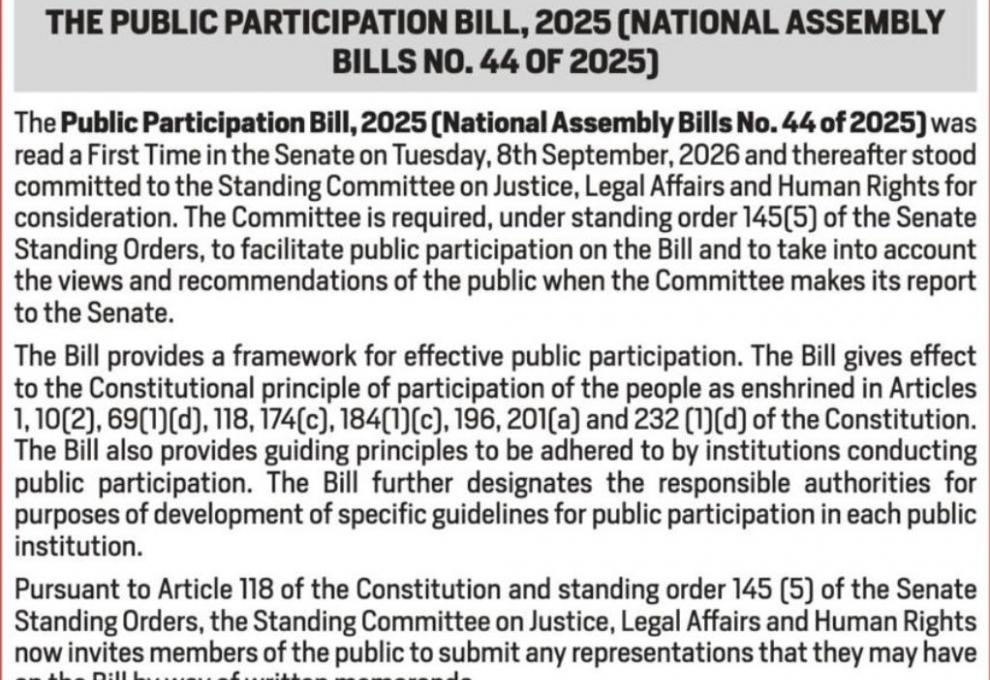
Constitutional reform also found its way into the week's proceedings, with the Referendum Bill, 2026, attracting attention in the Senate.
Senate Majority Leader and also Kericho SenatornAaron Cheruiyot said establishing a clear legal framework for constitutional referendums was among the issues the Senate sought to address during its Kilifi sitting.
The bill's consideration also carried particular resonance in Kilifi, which has historically featured prominently in Kenya's constitutional reform conversations.
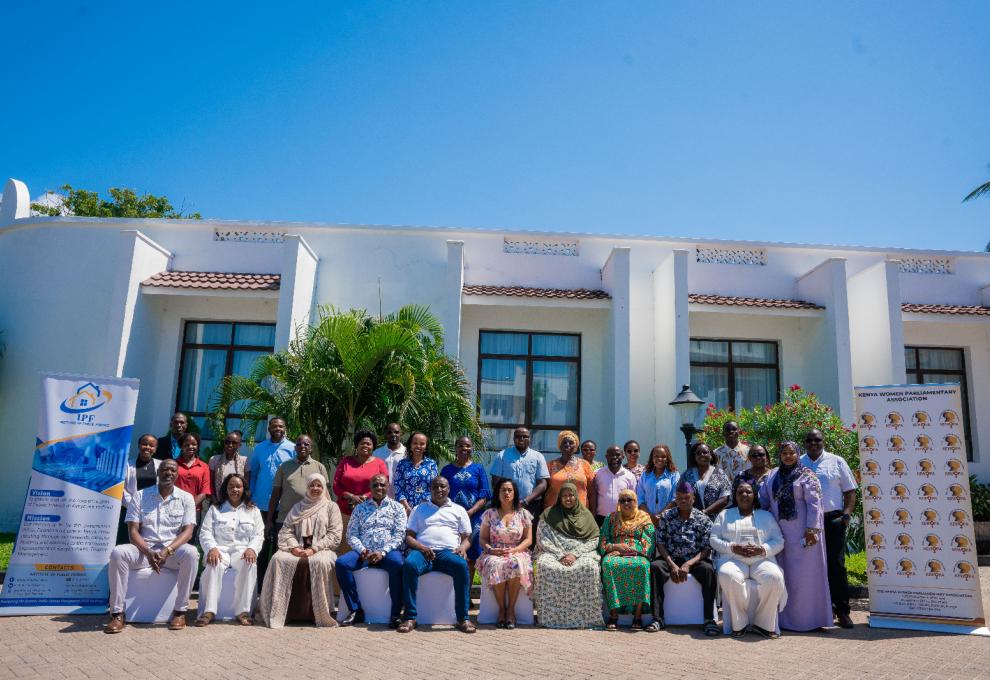
Away from the main chamber, the Kenya Women Senators Association (KEWOSA) undertook its own engagements, visiting Malindi Women's Prison, Gede Comprehensive and Malindi Hospital.
For Senator Madzayo, the presence of the Senate in Kilifi offered residents an unusual opportunity to engage directly with lawmakers.
“This is a lifetime experience for Kilifi people,” he said, encouraging residents to use the opportunity to submit their concerns and petitions.
As the senators leave Kilifi, the residents had a lifetime opportunity to interact with their senators as well as learn how the Senate carries out its business and for staff of Kilifi County Assembly, it was also a learning experience from staffs of various directorates of the Senate.
The county has been left with a list of issues requiring follow-up—from the regulations needed to operationalise county laws and concerns surrounding mining and sand harvesting, to healthcare projects, fisheries, development programmes and questions directed at national government ministries.
The Senate Mashinani programme was designed to make the work of the House more accessible to citizens and strengthen interaction between national and county institutions.
For five days, parliamentary proceedings, committee scrutiny and community concerns shared the same space and lasting impact of the visit, however, will depend on what happens after the senators depart—whether the petitions are pursued, whether committee recommendations are acted upon and whether the concerns raised by residents lead to tangible responses.
Kilifi may have hosted the Senate for a week, but the issues raised during the sitting will remain long after the chamber falls quiet.