 What's on
 Things to Do
 Plan your Visit
 Media Rules and Filming
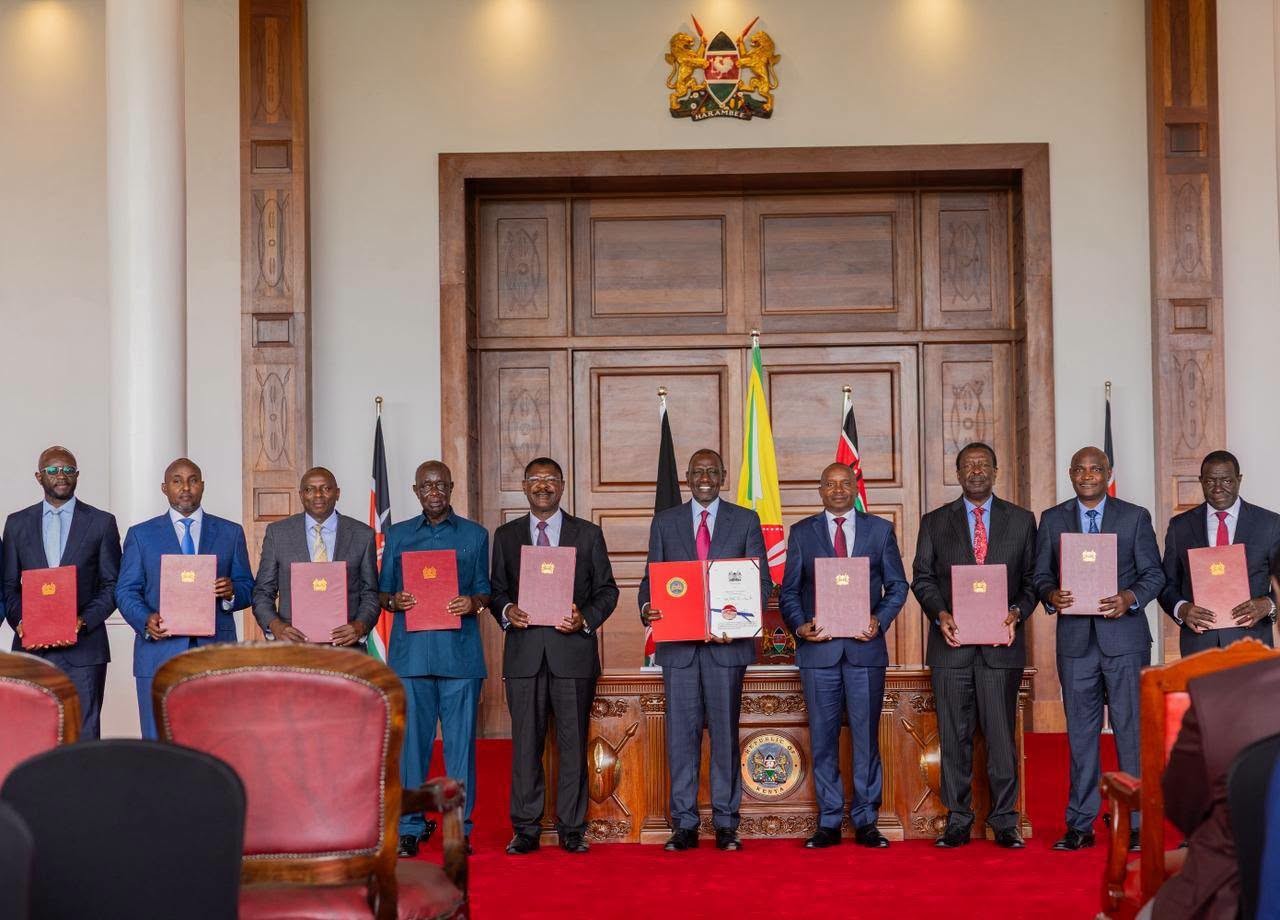
𝐀𝐏𝐏𝐑𝐎𝐏𝐑𝐈𝐀𝐓𝐈𝐎𝐍 𝐀𝐂𝐓 𝐒𝐈𝐆𝐍𝐄𝐃 𝐈𝐍𝐓𝐎 𝐋𝐀𝐖 𝐀𝐔𝐓𝐇𝐎𝐑𝐈𝐒𝐈𝐍𝐆 𝐊𝐒𝐇𝟒.𝟖𝟐 𝐓𝐑𝐈𝐋𝐋𝐈𝐎𝐍 𝐅𝐎𝐑 𝟐𝟎𝟐𝟔/𝟐𝟕


The Appropriations Act, 2026 has been assented to by President William Ruto, authorizing government expenditure of KSh4.82 trillion for the 2026/27 Financial Year and setting the stage for implementation of key programmes under the Bottom-Up Economic Transformation Agenda (BETA).
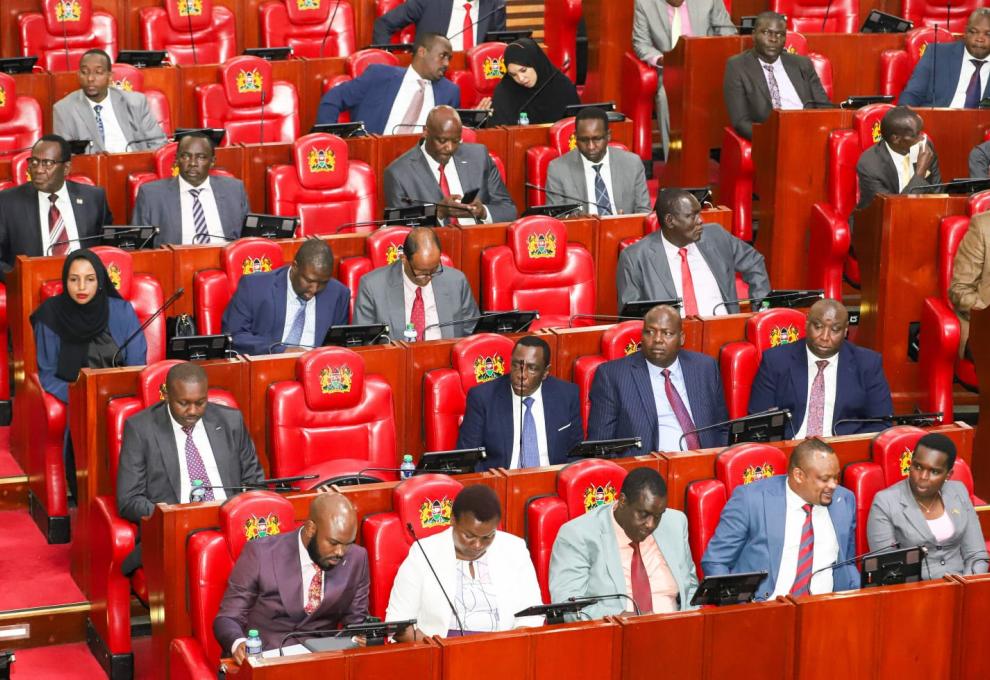
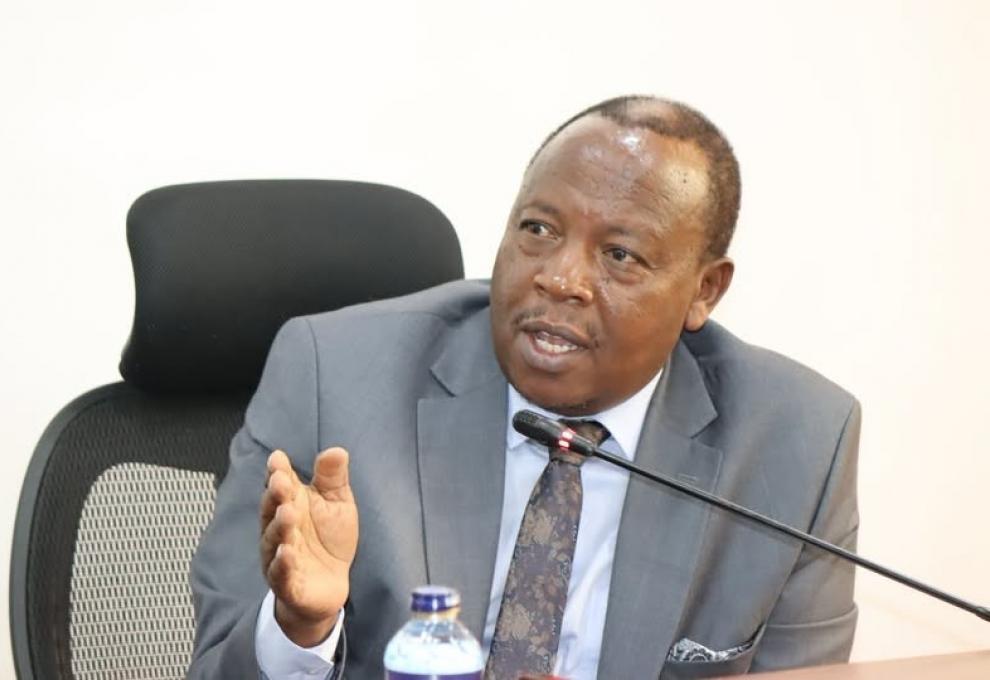
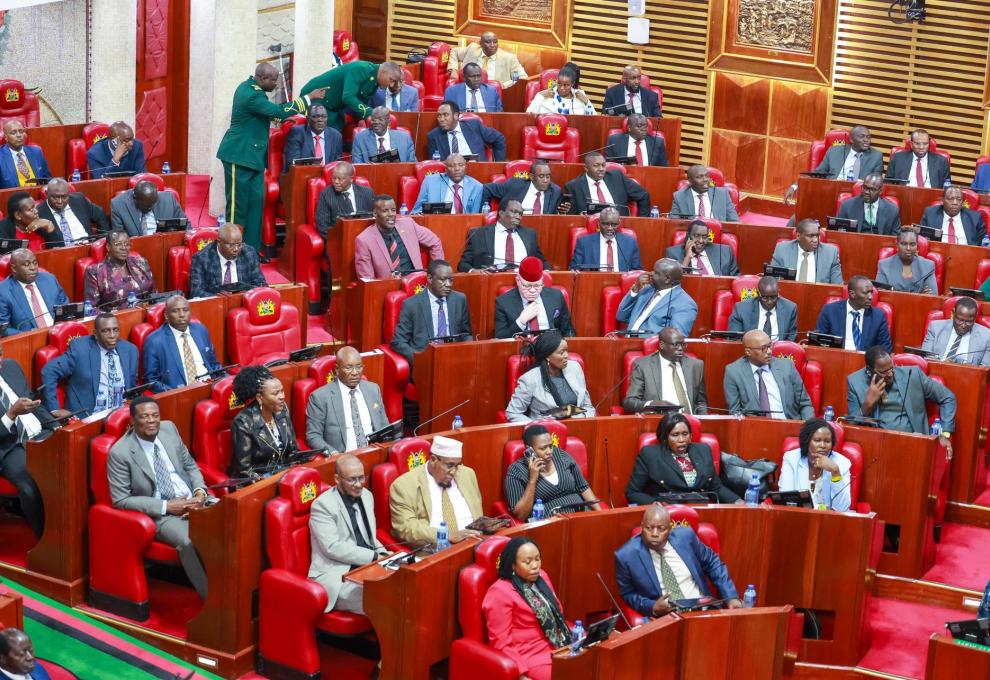
The legislation, sponsored by Budget and Appropriations Committee Chairperson Hon. Samuel Atandi, was passed by the National Assembly on 18th June 2026 before being forwarded to the president for assent.
The approved budget allocates KSh2.9 trillion to the National Government, including KSh2.817 trillion for the Executive, KSh50.8 billion for Parliament and KSh30.4 billion for the Judiciary.
To strengthen devolution and service delivery, county governments will receive KSh503.5 billion, comprising KSh428 billion as an equitable share and KSh75.5 billion in conditional allocations.
Education received the largest share of the budget at KSh781.3 billion. Key allocations in the sector include KSh406.6 billion towards Teachers Service Commission salaries and insurance, KSh56.7 billion for the Higher Education Loans Board (HELB), KSh54.6 billion for Free Day Secondary Education, KSh30 billion for Junior Secondary School capitation, KSh30.9 billion for university scholarships and KSh9.2 billion for TVET student scholarships.
The budget also provides KSh4.9 billion for the conversion of 20,000 intern teachers to permanent and pensionable terms and KSh6.6 billion to settle university collective bargaining agreement arrears.
National security has been allocated KSh566.9 billion to support defense, policing, intelligence and correctional services. The allocation includes KSh250 billion for defense, KSh144.4 billion for the National Police Service, KSh58.6 billion for the National Intelligence Service and KSh42.7 billion for prison and correctional services.
The health sector will receive KSh175.5 billion to strengthen Universal Health Coverage, primary healthcare and specialized medical services. Major allocations include KSh20.9 billion for the Kenya Medical Supplies Authority (KEMSA), KSh19.1 billion for the Primary Health Care Fund, KSh18.8 billion for Kenyatta National Hospital, KSh18.5 billion for Global Fund programmes and KSh8.9 billion for UHC health workers.
Housing and urban development programmes have been allocated KSh138.2 billion, including KSh50.7 billion for construction of affordable housing units, KSh20.9 billion for social housing and KSh18.6 billion for the Kenya Urban Programme.
Infrastructure development remains a major priority, with KSh230.3 billion allocated to roads and bridges. The transport sector will receive KSh51.8 billion for railway modernization, Bus Rapid Transit systems, airport upgrades and logistics infrastructure, including KSh20.8 billion for SGR Phase 2B and 2C.
The agriculture sector has been allocated KSh63 billion to support food security and rural livelihoods. Key interventions include KSh18 billion for fertilizer subsidy, KSh2 billion for seed subsidy, KSh4.7 billion for the National Agricultural Value Chain Development Project (NAVCDP), KSh2 billion for coffee debt waiver and KSh1.5 billion for the Coffee Cherry Fund.
To promote industrialization and value addition, KSh3.85 billion has been set aside for the equipping and operationalization of County Aggregation and Industrial Parks (CAIPs).
Social protection programmes received substantial support, including KSh25 billion for cash transfers to older persons, KSh8.9 billion for orphans and vulnerable children, KSh1.5 billion for persons living with severe disabilities and KSh4.3 billion for the Hunger Safety Net Programme.
The budget further allocates KSh109.7 billion to youth empowerment, enterprise development and inclusive economic programmes. This includes KSh22.6 billion for youth programmes, KSh21 billion for internship programmes, KSh12.4 billion for the National Youth Service and KSh4.7 billion for the National Youth Opportunities Towards Advancement (NYOTA) programme.
Sports, culture and tourism programmes will receive KSh45.4 billion, including KSh24.9 billion for the Sports, Arts and Social Development Fund, KSh14.2 billion for the Tourism Fund and KSh1.5 billion to support Kenya's preparations for hosting the 2027 Africa Cup of Nations (AFCON).
The ICT sector has been allocated KSh10.5 billion to advance digital transformation, expand connectivity and strengthen cybersecurity infrastructure. Key projects include the Kenya Digital Economy Acceleration Project, last-mile connectivity and development of digital hubs across the country.
See less