
 What's on
 Things to Do
 Plan your Visit
 Media Rules and Filming
𝐓𝐑𝐄𝐀𝐒𝐔𝐑𝐘 𝐂𝐒 𝐑𝐄𝐀𝐒𝐒𝐔𝐑𝐄𝐒 𝐂𝐎𝐔𝐍𝐓𝐑𝐘 𝐎𝐅 𝐒𝐓𝐀𝐁𝐋𝐄 𝐄𝐂𝐎𝐍𝐎𝐌𝐘 𝐀𝐌𝐈𝐃 𝐆𝐋𝐎𝐁𝐀𝐋 𝐄𝐂𝐎𝐍𝐎𝐌𝐈𝐂 𝐒𝐇𝐎𝐂𝐊𝐖𝐀𝐕𝐄𝐒







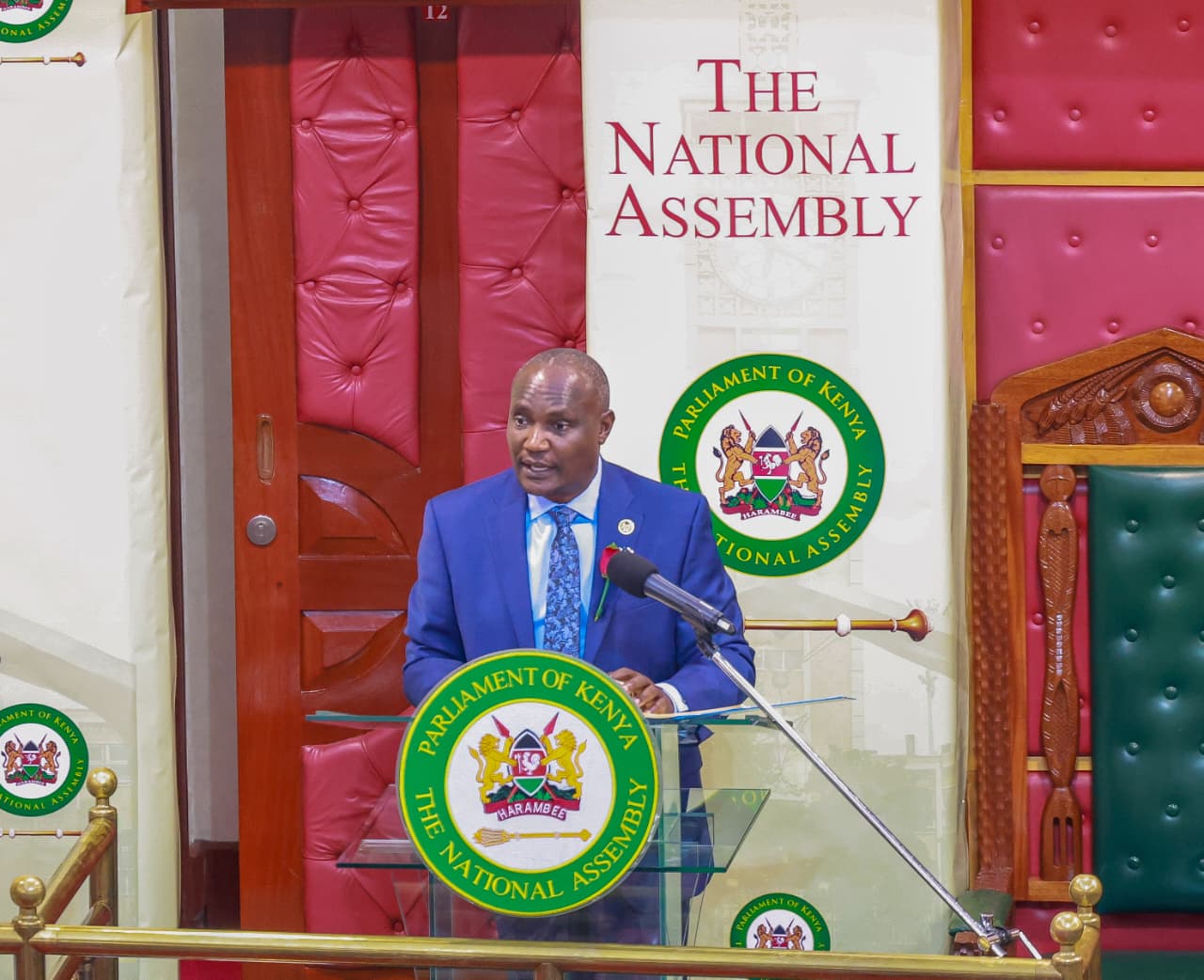
National Treasury and Economic Planning Cabinet Secretary Hon. John Mbadi has reiterated the Government's commitment to steering the Kenyan economy through stability amid the raging global tensions that have had corresponding economic shockwaves.
Addressing a joint sitting of Parliament today as he presented the Budget Policy Highlights for the 2026/27 FY, Hon. Mbadi reiterated that policies set out in the 2026/27 Budget were anchored on policies steered through attaining economic stability amid the uncertain global economic space.
He noted that the Budget was anchored on policy directions that empower the country to navigate the heightened global uncertainties that have rocked this financial year.
In the recent past, especially the current financial year, rising geopolitical tensions have continued to exert pressure on energy and food prices, consequently increasing inflationary risk and volatility in global markets.
Among these global factors accelerating inflation was the ongoing Russia-Ukraine war and the tensions in the Middle East relating to the Iran-Israel and US war, which has occasioned a sharp surge in oil prices globally and occasioned higher inflation rates across most countries, including Kenya.
The CS noted that the Kenyan economy has, however, remained resilient despite this Global turbulence.
Hon. Mbadi noted that between 2022 and 2025, the economy grew at an average of 5% - incidentally outpacing both the Global average of 3.4% and sub-Saharan African average of 4.1% percent over the same period.
He noted that this performance reflected "sound macroeconomic management, prudent fiscal and monetary policies," which he noted had largely sustained structural reforms, and spurred diversification of the economy.
"The economy grew by 4.6% in 2025 compared to 4.7% in 2024, with all sectors registering positive growth. However, the 2026 growth outlook faces downside risks from emerging external shocks, particularly the conflict in the Middle East, leading to a downward revision of the growth projection to 5% from the earlier forecast of 5.3%," noted the CS.
The CS stressed that growth was nonetheless projected to increase to 5.2% by 2027, as external pressures eventually ease to allow for normalization of global supply chains, especially for oil and other essential products.
"Macroeconomic fundamentals remain broadly stable. Inflation stood at 6.7% in May 2026, up from 3.8% in May 2025, largely reflecting higher fuel prices," noted Hon. Mbadi.
The CS noted that lower lending rates have largely supported a recovery in the private sector credit growth, while the Kenya Shilling exchange rate has remained broadly stable and activity at the Nairobi Securities Exchange has remained strong.
In his address, the CS noted that the external sector remains resilient, supported by strong remittance inflows, robust earnings from goods exports and services, and strong foreign exchange reserves, which have helped cushion the economy against external shocks.