
 What's on
 Things to Do
 Plan your Visit
 Media Rules and Filming
𝐂𝐀𝐊 𝐀𝐒𝐒𝐔𝐑𝐄𝐒 𝐒𝐔𝐁𝐒𝐂𝐑𝐈𝐁𝐄𝐑𝐒 𝐎𝐅 𝐀𝐃𝐄𝐐𝐔𝐀𝐓𝐄 𝐍𝐎𝐓𝐈𝐂𝐄 𝐁𝐄𝐅𝐎𝐑𝐄 𝐒𝐈𝐌 𝐂𝐀𝐑𝐃 𝐃𝐄𝐀𝐂𝐓𝐈𝐕𝐀𝐓𝐈𝐎𝐍 𝐀𝐍𝐃 𝐍𝐔𝐌𝐁𝐄𝐑 𝐑𝐄𝐂𝐘𝐂𝐋𝐈𝐍𝐆


The Communications Authority of Kenya (CAK) has assured mobile phone subscribers that adequate measures are in place to ensure they are notified before their inactive SIM cards are deactivated and their mobile numbers are reallocated.
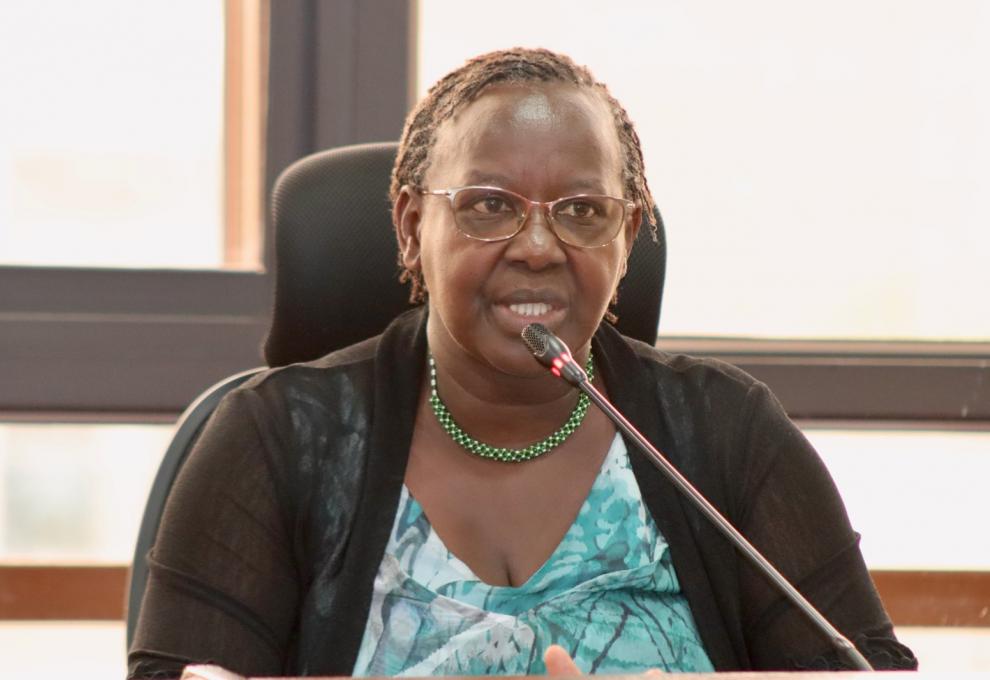
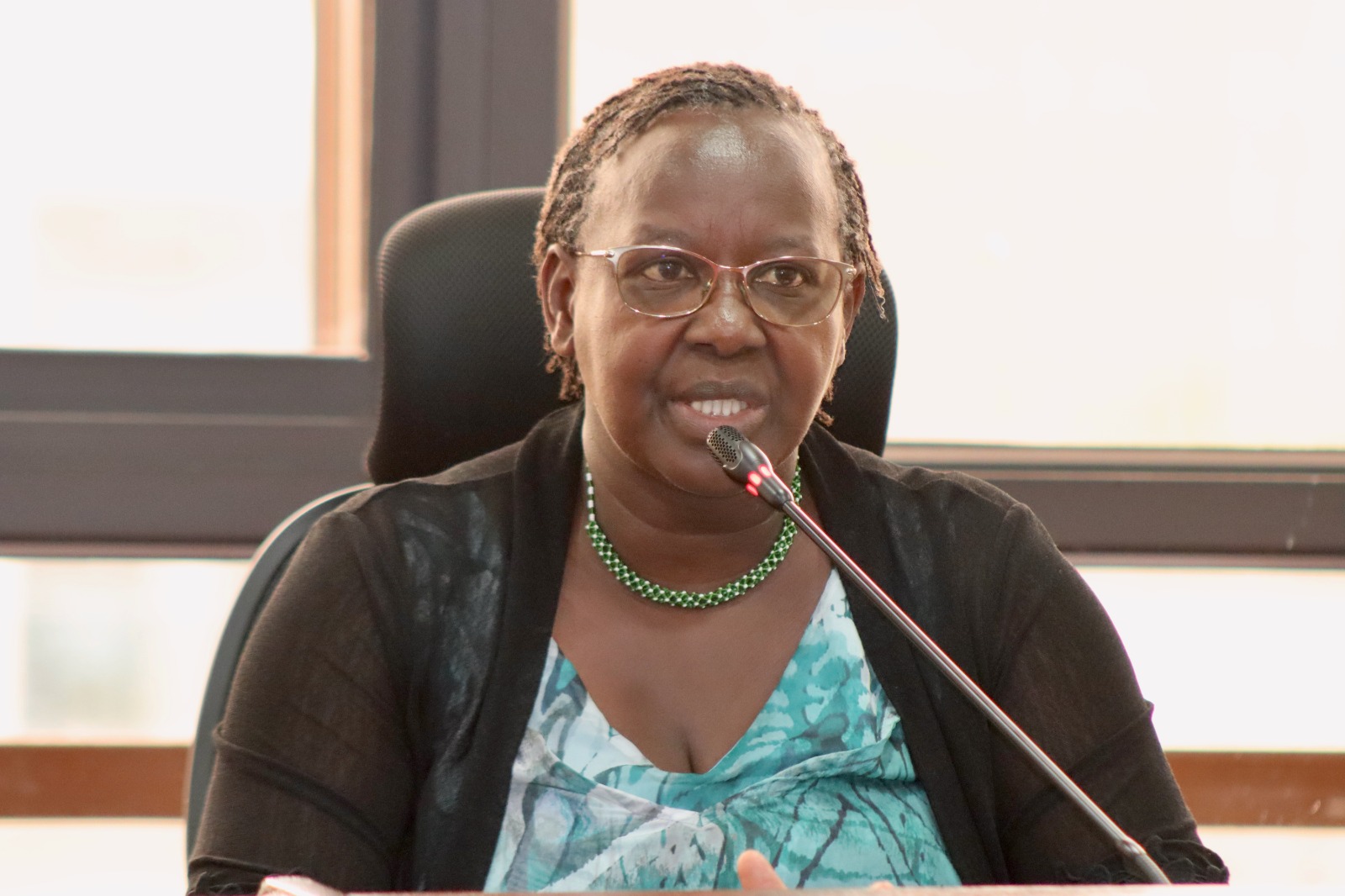
Appearing before the Public Petitions Committee, with the session chaired by the Committee Vice-chairperson, Hon. Janet Sitienei (Turbo), CAK Chief Executive Officer and Director General Mr. David Mugonyi said the Authority has developed procedures and technical safeguards to govern the deactivation and recycling of inactive mobile numbers.
Mr Mugonyi said the Procedures and Technical Safeguards for Deactivation and Recycling of Inactive Mobile Numbers, 2026, require all SIM card service providers to use all available contact details held in their subscriber databases, as collected during the Know Your Customer (KYC) registration process.
Under the procedures, service providers are required to contact subscribers whose numbers have been inactive for more than three consecutive months. The notification process runs for three months before the numbers become eligible for deactivation and eventual recycling.
The CAK CEO was responding to concerns raised by petitioner Thomas Kerongo, who alleged that Safaricom PLC had adopted a practice of deactivating SIM cards after six months of inactivity and reallocating the corresponding mobile numbers to new subscribers without providing adequate notice to the affected customers.
Mr Mugonyi said the guidelines also require all mobile service providers to issue a generic public notice informing the public of their intention to deactivate and recycle numbers that have been inactive for more than six months.
"The notice includes a USSD service for all members of the public to check the status of their numbers, in case they are among those affected and may not be sure," said the CAK CEO.
The Authority also told the committee that special provisions have been included for subscribers who may be unable to use their SIM cards for extended periods due to circumstances such as prolonged illness, imprisonment, travel or other forms of incapacity.
According to Mr Mugonyi, a subscriber, or a person legally authorised to act on their behalf, can request that a number be whitelisted if it is anticipated that the subscriber will be unable to use it for more than six months.
"For prisoners, the guidelines require the commissioner of prisons to write to service providers, notifying them to whitelist numbers belonging to inmates incarcerated for more than six months," he said.
The committee also sought clarification on how the notification process operates in cases where a subscriber has died.
Hon. Marwa Kitayama (Kuria East) asked how a deceased subscriber would be notified before their number is deactivated.
"There have been instances where people have died. You say you give notice of deactivation. So in such an instance, who do you notify?" asked Hon. Kitayama.
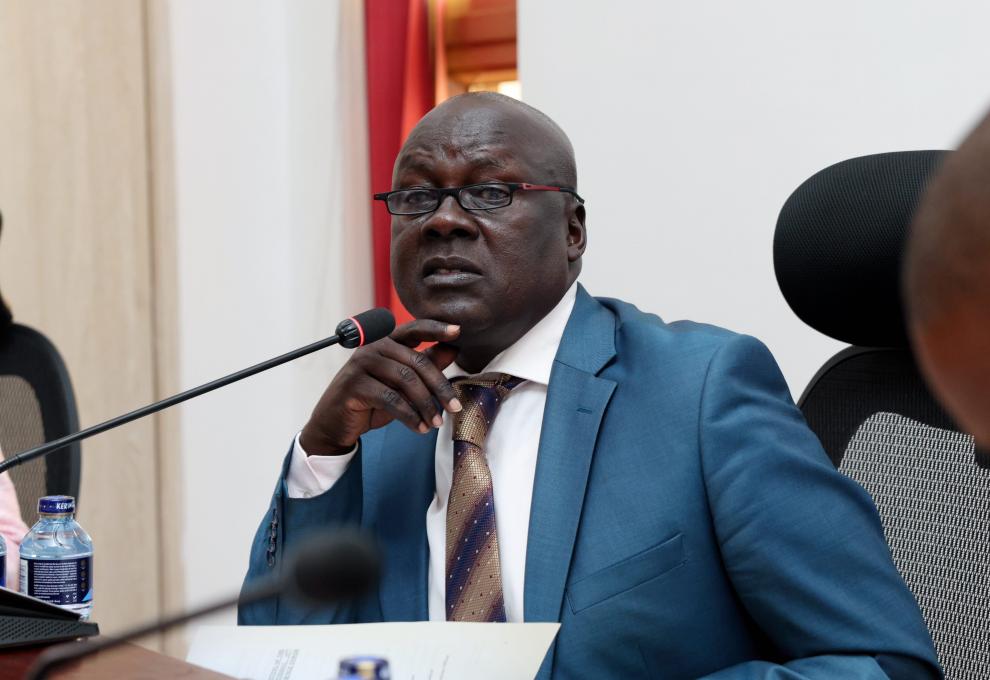
In response, CAK officials emphasised the importance of subscribers providing accurate and comprehensive information during SIM card registration, including alternative contact details to reach authorised persons or family members when necessary. He also noted that some customers and registration agents do not always provide, or insist on collecting, all the necessary information.
Mr Mugonyi further disclosed that the Authority is considering proposals to have SIM card registration conducted directly by mobile network operators rather than through agents.