 What's on
 Things to Do
 Plan your Visit
 Media Rules and Filming
𝐋𝐀𝐖𝐌𝐀𝐊𝐄𝐑𝐒 𝐏𝐔𝐒𝐇 𝐓𝐑𝐄𝐀𝐒𝐔𝐑𝐘 𝐓𝐎 𝐒𝐏𝐄𝐄𝐃 𝐔𝐏 𝐄𝐐𝐔𝐀𝐋𝐈𝐒𝐀𝐓𝐈𝐎𝐍 𝐅𝐔𝐍𝐃 𝐃𝐈𝐒𝐁𝐔𝐑𝐒𝐄𝐌𝐄𝐍𝐓


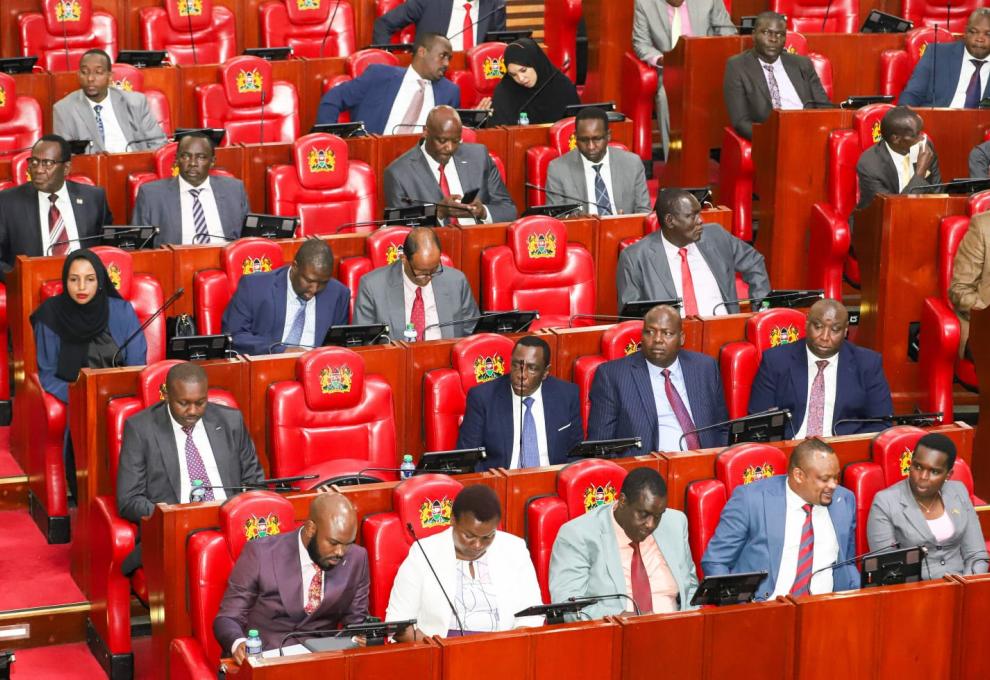
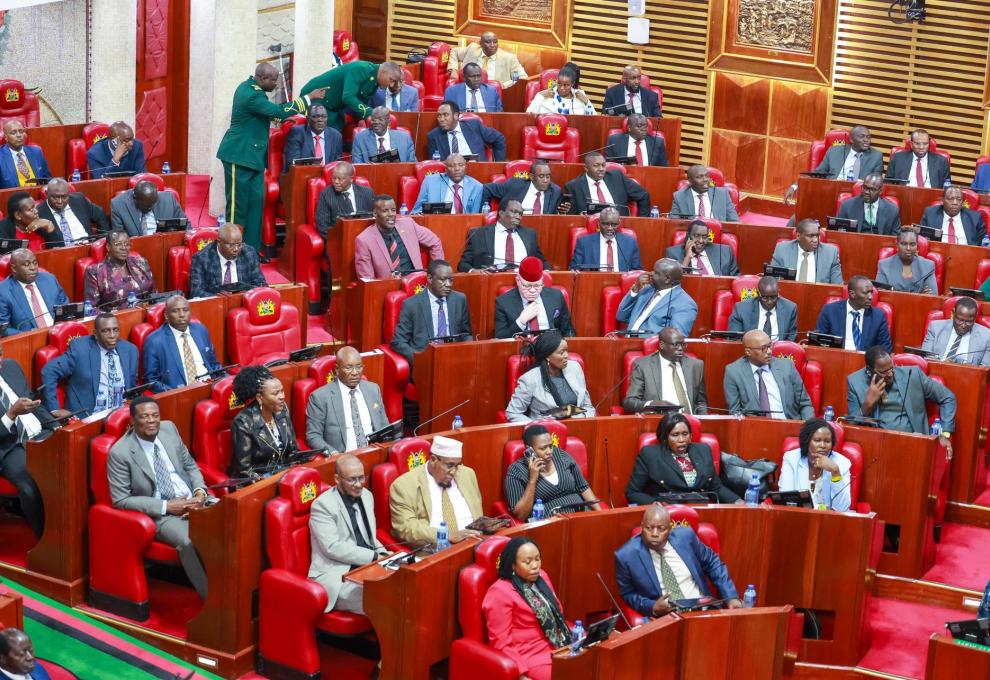
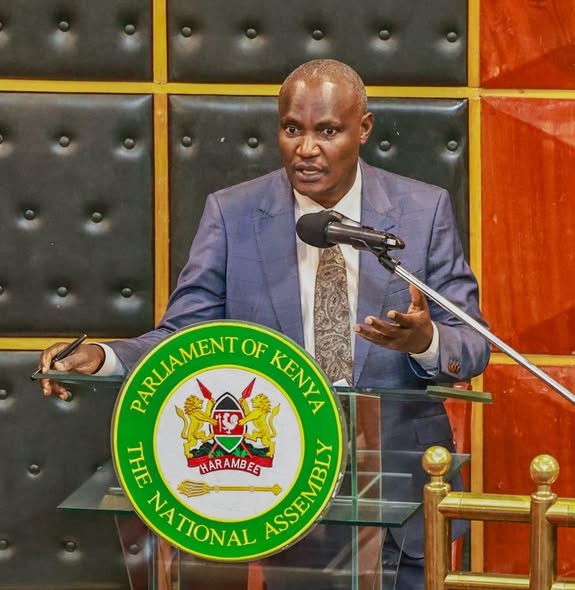
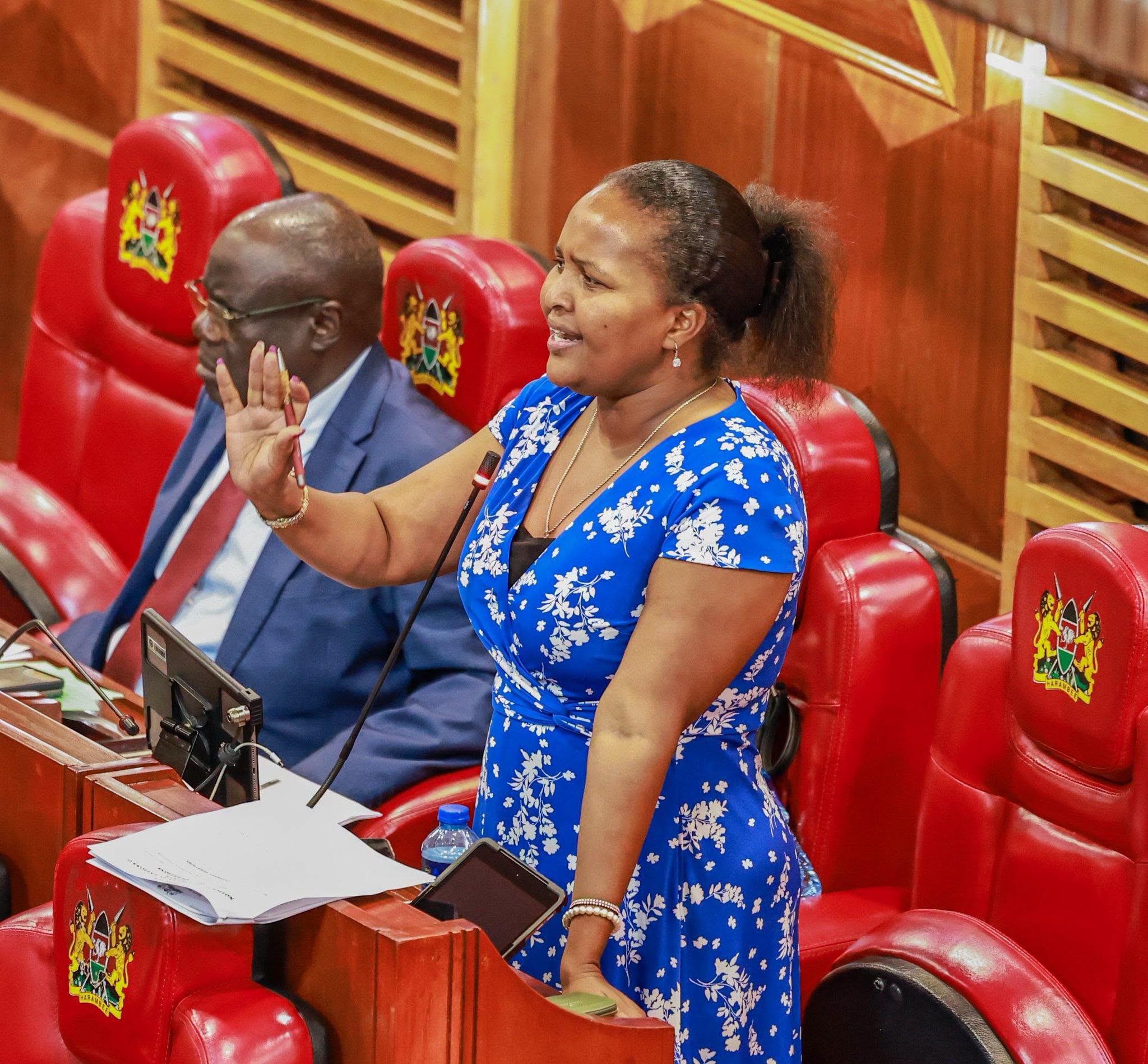
Members of the National Assembly have put the National Treasury on the spot over the slow disbursement and implementation of projects under the Equalisation Fund, with MPs from marginalised counties demanding faster release of funds and clearer accountability for projects meant to improve basic services.
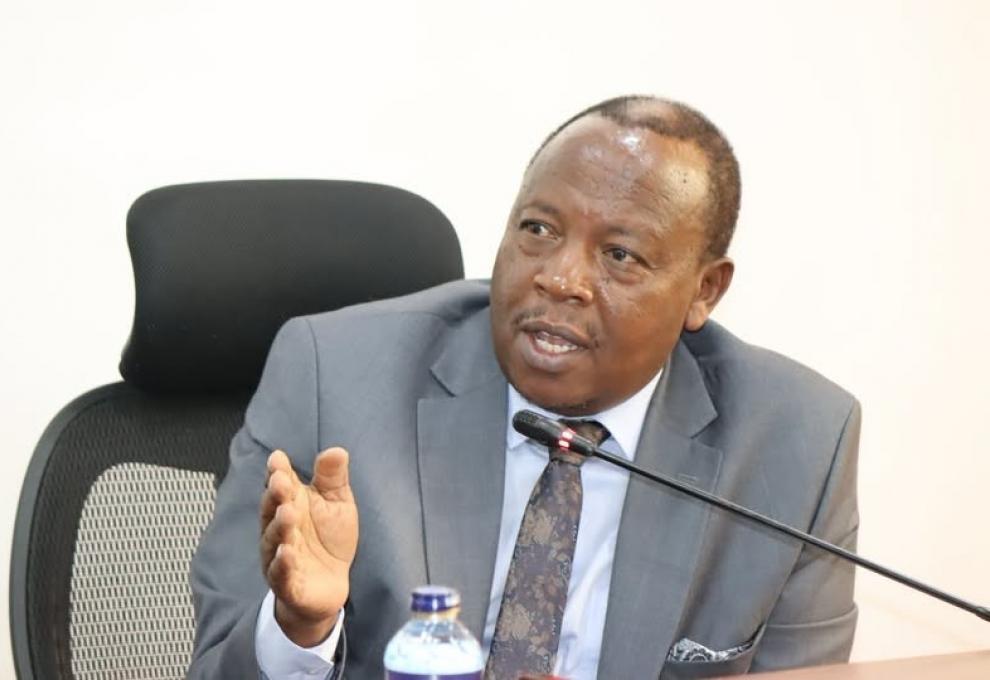
The questions by Tiaty MP Hon. William Kamket and Samburu West MP Hon. Naisula Lessuda came as Cabinet Secretary for the National Treasury Hon. John Mbadi disclosed that cumulative receipts into the Equalisation Fund stood at Sh22.42 billion, against constitutional entitlements of Sh90.34 billion, leaving outstanding arrears of Sh67.92 billion.
The arrears represent 75.2 per cent of the total entitlement, according to the Treasury response tabled in the National Assembly.
Hon. Kamket sought a detailed account of the Fund’s implementation for the years ending June 2023 and 2024, particularly in Baringo County, including allocations, disbursements and the status of projects.
He also challenged the Treasury to explain whether it would move towards direct implementation of approved projects to eliminate administrative delays and asked how coordination between national and county governments would be strengthened.
In response, Mbadi said Sh595.03 million had been appropriated for Equalisation Fund projects in Baringo under the 2023 Appropriation Act, covering 90 marginalised areas across 15 wards and four constituencies.
However, only Sh174.15 million had been requisitioned and transferred to Baringo County’s Special Purpose Account, representing a 29 per cent absorption rate as at June 30, 2026.
Of the 150 project proposals submitted, 144 had been approved. Treasury reported that 46 projects were between 90 and 100 per cent complete, while 88 projects were below 50 per cent completion. Mbadi attributed the slow absorption largely to delays by the county in submitting project proposals and requisitions.
On whether Treasury would revert to directly implementing Equalisation Fund projects, Mbadi said the Government would first seek the Attorney-General’s advice on the effect of a **2019 High Court judgment** that declared the earlier guidelines allowing direct implementation unconstitutional.
“The National Treasury will seek the advice of the Office of the Attorney-General on a review of the 2019 High Court judgment,” Mbadi said, adding that administrative delays were meanwhile being addressed through the conditional-grant framework.
He said the July 2024 guidelines, which provide for direct transfer of approved funds into County Special Purpose Accounts, had shortened the disbursement chain while project appraisal, approval and disbursement processes were being streamlined.
Hon. Lesuuda separately sought a county-by-county account of Equalisation Fund arrears and disbursements as the country entered the 2026/27 financial year. She also questioned whether the Fund had achieved its constitutional purpose of uplifting the most marginalised areas and why beneficiaries had increased from the initial 14 counties to 34.
Treasury reported that under the 2018 Equalisation Fund Appropriation Act, Sh11.8 billion was appropriated for 360 projects in the original 14 beneficiary counties, with Sh10.98 billion, 93 per cent transferred to implementing ministries, departments and agencies.
Under the 2023 Appropriation Act, Sh10.02 billion was approved for projects in the newly identified marginalised areas. By June 30, 2026, counties had received Sh6.92 billion, equivalent to 69 per cent, leaving Sh3.10 billion undistributed.
CS Mbadi said the Fund had expanded to 34 counties because the second marginalisation policy used a more granular deprivation assessment. It identified 7,131 areas across 47 counties, with the most deprived areas ranked using indicators including school attendance, access to safe water, electricity and sanitation.
The Treasury also pledged joint monitoring, stronger county capacity, an integrated project information system and deeper engagement with counties and implementing agencies to improve delivery and accountability.