 What's on
 Things to Do
 Plan your Visit
 Media Rules and Filming
𝐒𝐄𝐍𝐀𝐓𝐄 𝐂𝐎𝐌𝐌𝐈𝐓𝐓𝐄𝐄 𝐑𝐄𝐕𝐈𝐄𝐖𝐒 𝐏𝐑𝐎𝐆𝐑𝐄𝐒𝐒 𝐎𝐅 𝐊𝐄𝐍𝐘𝐀 𝐎𝐅𝐅-𝐆𝐑𝐈𝐃 𝐒𝐎𝐋𝐀𝐑 𝐀𝐂𝐂𝐄𝐒𝐒 𝐏𝐑𝐎𝐉𝐄𝐂𝐓


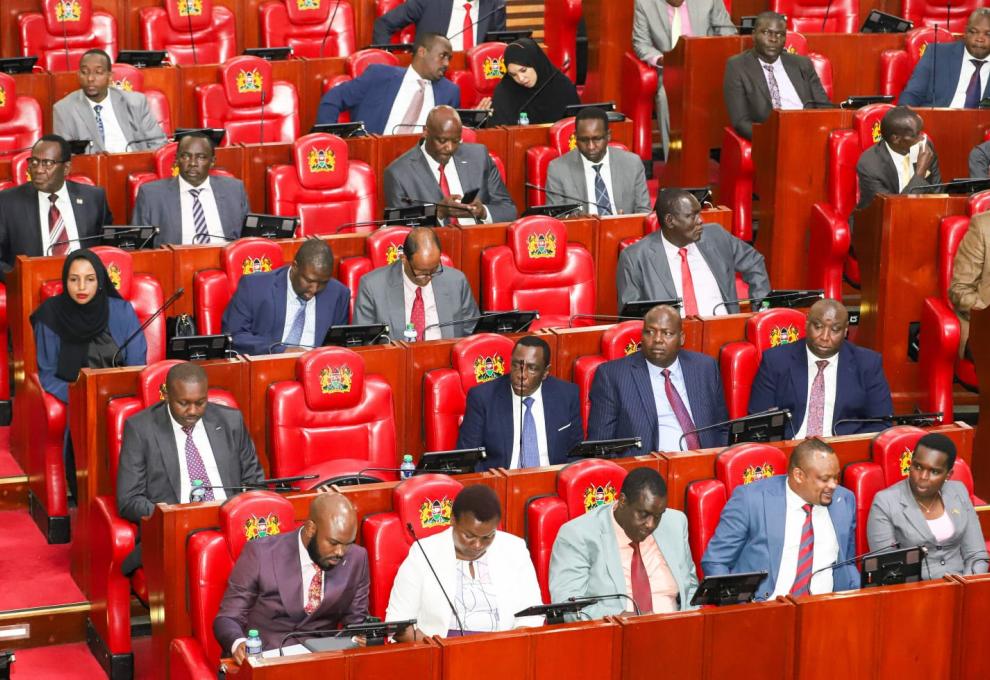
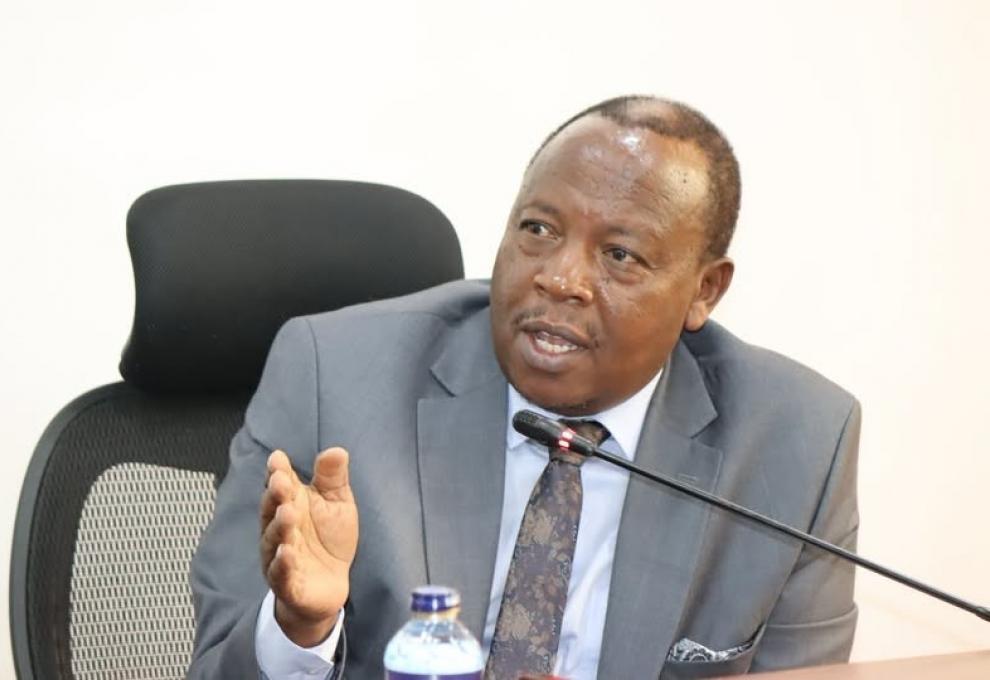
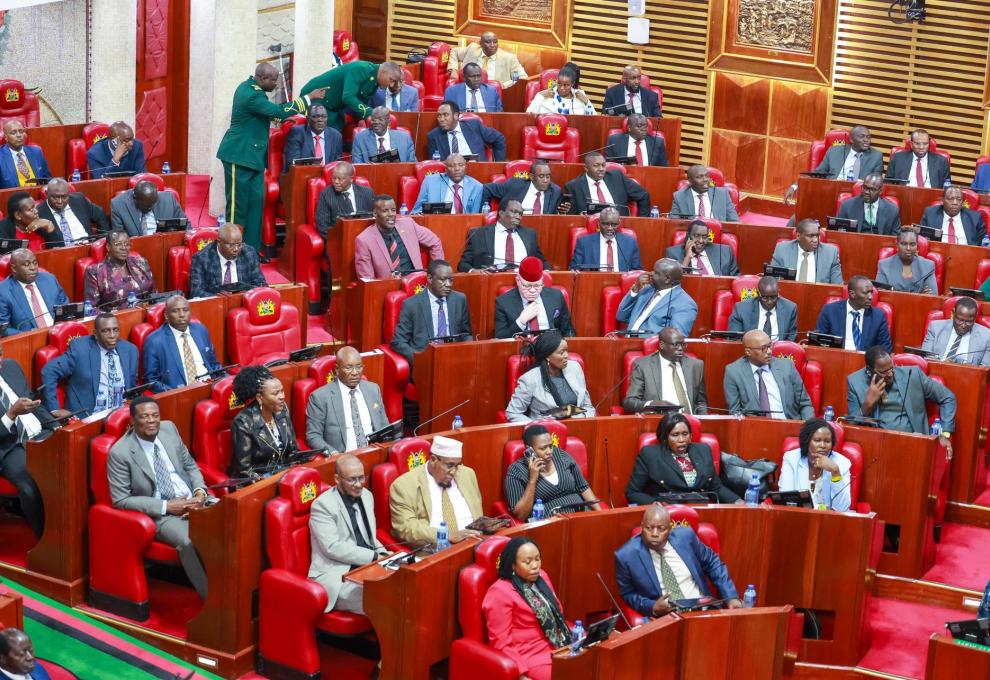
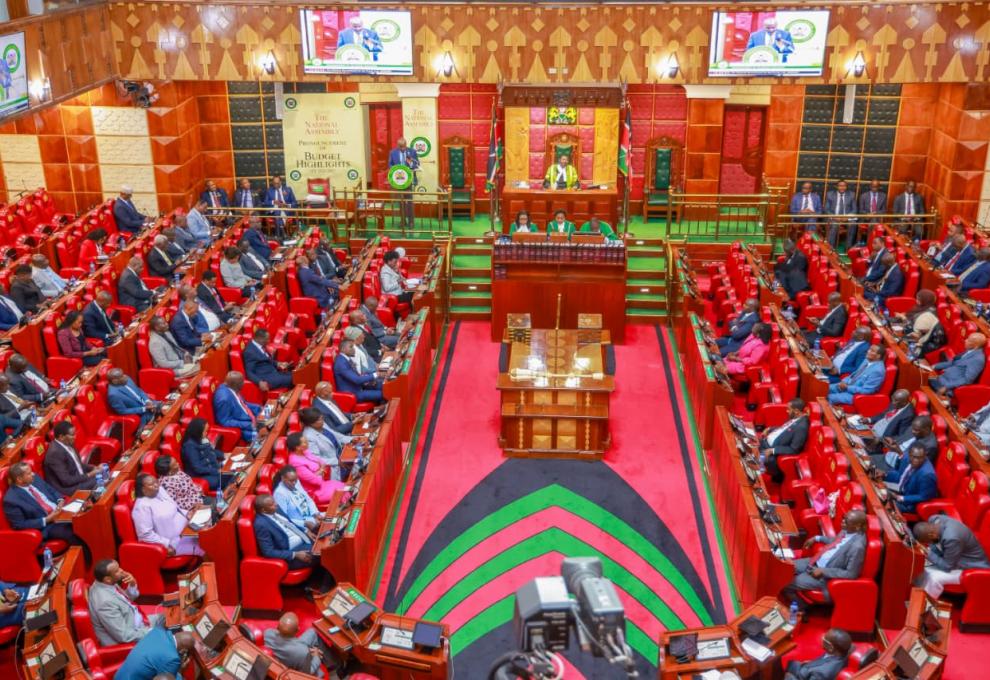
The Senate Standing Committee on Energy, chaired by Elgeyo Marakwet Senator William Kisang, has received a comprehensive status report on the implementation of the Kenya Off-Grid Solar Access Project (KOSAP), with Members seeking assurances that the programme is delivering reliable and sustainable energy solutions to underserved communities across the country.
Appearing before the Committee, officials from the Rural Electrification and Renewable Energy Corporation (REREC) outlined the progress made in implementing the World Bank-funded project, which aims to increase access to modern energy services in 14 underserved counties.
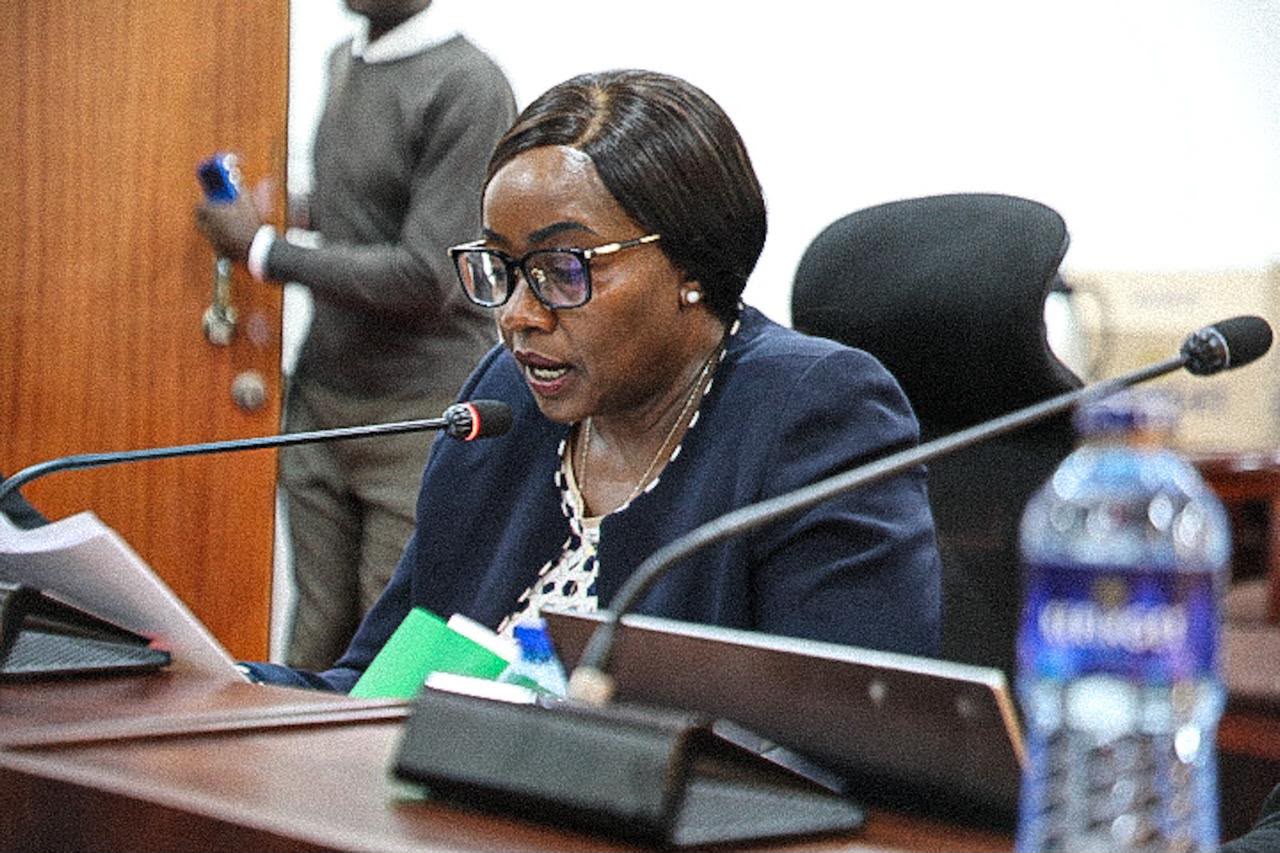
REREC Chief Executive Officer, Dr. Rose Mkalama, said the Corporation faces limitations in undertaking additional community-based Corporate Social Responsibility (CSR) initiatives due to funding restrictions under the World Bank financing framework.
“Some communities demand that we should do more community-based Corporate Social Responsibility. However, we do not have budgets for those projects because every expenditure must be approved by the World Bank. Our hands are tied,” she said.
The Committee was informed that the project focuses on expanding electricity access through the construction of solar-powered mini-grids and the development of solar water-pumping schemes in remote and off-grid areas. The initiative is expected to enhance access to clean energy, improve water availability, stimulate local economic activities and strengthen service delivery in public institutions.
REREC also briefed Senators on the implementation status of mini-grid projects and solar water-pumping schemes, providing updates on planned, ongoing, completed and commissioned projects in the target counties. Members sought clarification on implementation timelines, contractor performance, project completion rates and measures being taken to address challenges affecting project delivery.
Turkana Senator James Lomenen questioned why REREC does not brand its projects, noting that other entities often claim credit for projects implemented by the Corporation.
“Why doesn’t REREC brand its projects? Other entities are claiming ownership of projects implemented by the Corporation,” he said.
He further observed that Turkana County is now secure and urged contractors not to cite insecurity as a reason for delays in completing projects.
“Turkana is now safe. Contractors should not use insecurity as an excuse for failing to complete projects,” he added.
The Committee also examined the distribution of borehole projects and site-specific implementation progress across the beneficiary counties, emphasizing the need for timely completion to ensure communities begin benefiting from the investments.
Senators underscored the importance of equitable distribution of energy infrastructure and called for prudent utilisation of public resources to guarantee value for money. They noted that the successful implementation of KOSAP will play a critical role in promoting socio-economic development, improving livelihoods and advancing universal access to clean and affordable energy.
Tana River Senator Danson Mungatana sought to know whether the REREC Chief Executive Officer personally undertakes field inspections to verify that projects reflected in reports are actually implemented.
“CEO, have you ever gone to the ground to ensure that the projects reflected on paper are actually implemented?” he asked.
Responding to the question, Dr. Mkalama said REREC plans to commence the next phase of the projects in the coming weeks and will invite the Committee to undertake oversight visits during the commissioning of the projects.
“We shall plan and invite the Committee to the ground when we commission these projects,” she said.
REREC Project Manager Francis Mutua informed the Committee that the overall project is valued at USD 150 million, with USD 31 million allocated to REREC for implementation.
“We have a project worth USD 150 million, out of which REREC is implementing components worth USD 31 million,” he said.
Homa Bay Senator Moses Kajwang’ questioned the circumstances surrounding the World Bank financing, saying:
“Why was the Executive in such a hurry to borrow KSh 20 billion from the World Bank four days after the nullification of the Presidential Election on September 1, 2017? The deal seems fishy.”
Kakamega Senator Boni Khalwale raised concerns over the acquisition of community land for the projects, stating:
“The Constitution of Kenya is clear on the use of community land. How is REREC compensating the local communities, and what yardstick is being used to determine compensation?”
Responding to the concerns, Dr. Mkalama said the contracts are not influenced by political considerations.
“The contracts are not influenced by political considerations,” she said.
She further explained that each REREC project has been allocated KSh 1 million for Corporate Social Responsibility (CSR), with beneficiary communities determining the specific CSR initiatives to be undertaken.
The Committee reaffirmed its oversight role and pledged to continue monitoring the implementation of the Kenya Off-Grid Solar Access Project to ensure that all planned interventions are completed efficiently and that the intended benefits reach the targeted communities.